Can Defective E-Bikes Lead to Product Liability Claims?
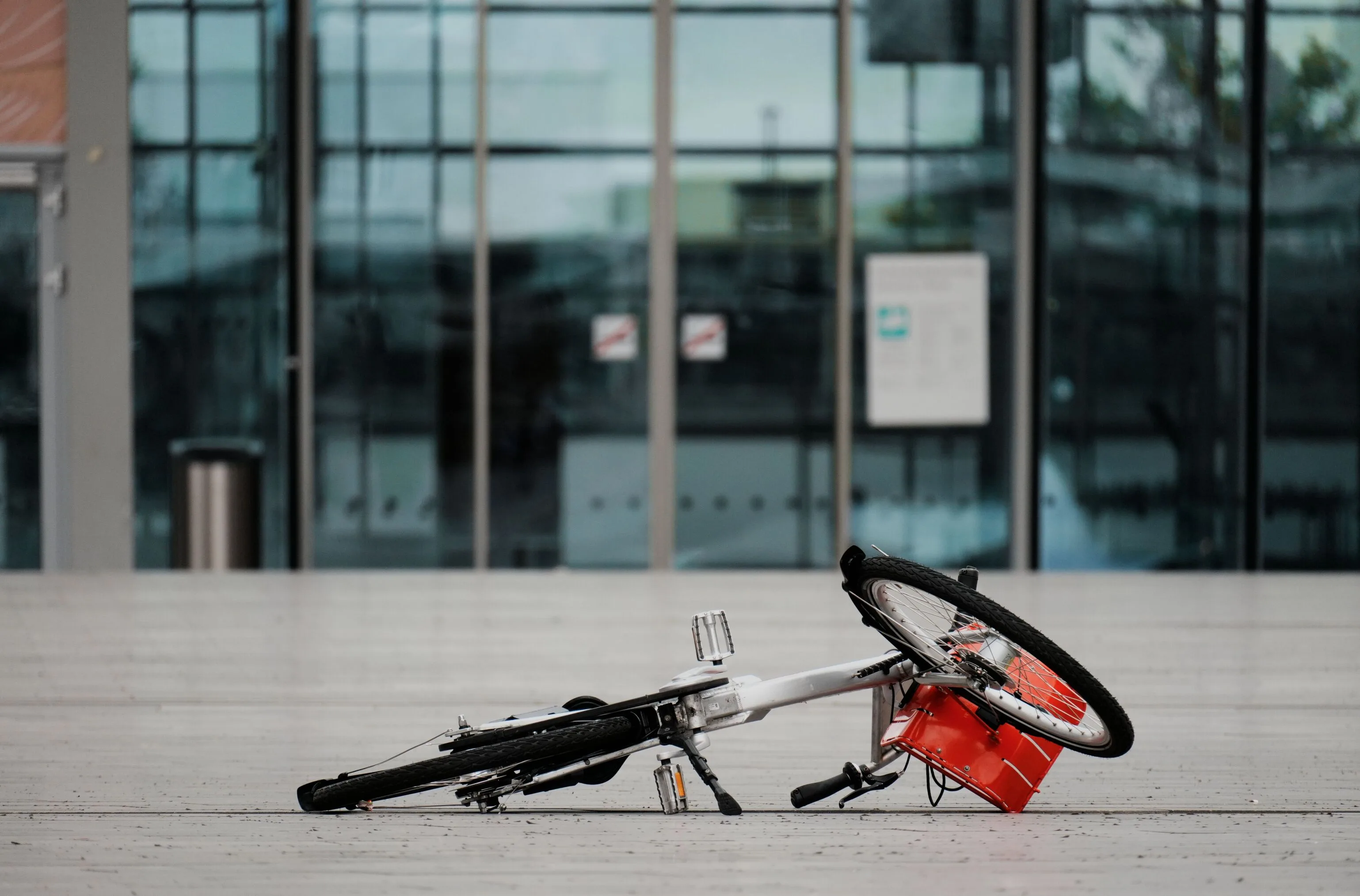
E-bikes are everywhere in Los Angeles and Orange County these days. You see them zipping down bike lanes in Santa Monica, cruising through Huntington Beach, and navigating busy streets in downtown LA. But what happens when these electric bikes malfunction and cause serious injuries?
The short answer is yes - defective e-bikes can absolutely lead to product liability claims. When manufacturers cut corners or make mistakes, innocent riders pay the price. Let's break down what you need to know.
What Makes an E-Bike "Defective"?
Not every e-bike accident means the bike was defective. Product liability claims typically fall into three main categories.
Manufacturing defects happen during production. Think of it like this: the design is fine, but something went wrong when they built your specific bike. Maybe the battery wasn't properly secured. Or the brakes weren't installed correctly at the factory.
Design defects are different. Here, the entire product line has a problem. The manufacturer designed something that's inherently dangerous. For example, if the battery placement makes the bike tip over easily, that's a design issue affecting all bikes of that model.
Warning defects involve inadequate instructions or warnings. E-bikes are complex machines with batteries, motors, and electronic components. If the manufacturer doesn't properly warn users about risks or provide clear safety instructions, they could be liable when someone gets hurt.
Common E-Bike Problems Leading to Claims
Battery issues top the list. Lithium-ion batteries can overheat, catch fire, or even explode. When this happens while you're riding through Irvine or Venice Beach, the results can be catastrophic. Recent cases have shown batteries suddenly bursting into flames during charging or while in use.
Brake failures are another major concern. E-bikes are heavier than regular bikes and travel faster. When brakes fail on a steep hill in Laguna Hills or while navigating traffic in Long Beach, riders face serious danger. The added weight and speed of electric bikes put tremendous stress on braking systems.
Motor malfunctions can cause sudden acceleration or complete power loss. Imagine cruising at a steady pace when your e-bike suddenly lurches forward into traffic. Or the motor dies completely while you're crossing a busy intersection in Orange County. These electronic failures happen without warning and leave riders vulnerable.
Structural failures also occur frequently. Frames can crack under the additional weight of batteries and motors. Wheels can come loose due to increased vibration from electric components. Handlebars can snap from the torque of powerful motors. These mechanical failures often happen without warning and can send riders tumbling onto concrete or into traffic.
Software glitches present another growing concern in modern e-bikes. Faulty programming can cause erratic behavior in speed control, battery management, or safety systems. When technology fails, riders suffer the consequences.
Proving Your Product Liability Case
Winning a product liability claim requires proving several key elements. You need to show the product was defective, the defect existed when it left the manufacturer, and this defect directly caused your injuries.
Evidence is crucial. Don't throw away that broken e-bike - it's your primary piece of evidence. Take photos of everything. Document the accident scene, your injuries, and the bike's condition. The more documentation you have, the stronger your case becomes.
Medical records become vital too. Seek treatment immediately after an e-bike accident, even if you feel okay initially. Some injuries don't show symptoms right away. Having medical documentation creates a clear link between the defective product and your injuries. This documentation becomes especially important when dealing with insurance companies.
Witness statements can strengthen your case. If other people saw your accident, get their contact information. Their testimony about what they observed can support your version of events. Independent witnesses carry significant weight in legal proceedings.
Expert testimony often proves essential in complex product liability cases. Engineers and safety experts can examine the failed components and explain to a jury exactly what went wrong and why.
Who Can Be Held Responsible?
Product liability cases often involve multiple parties. The manufacturer who designed and built the e-bike bears primary responsibility for defects. But the chain of responsibility extends further.
Retailers who sold the defective e-bike can also face liability. This includes big box stores, specialty bike shops, and online retailers. If they knew about safety issues and sold the product anyway, they could be responsible for resulting injuries.
Component manufacturers might be liable too. E-bikes contain parts from various suppliers - batteries from one company, motors from another, brakes from a third. If a specific component fails and causes injury, that component manufacturer could face claims.
Distributors and wholesalers in the supply chain may also bear responsibility under certain circumstances. When everyone in the chain profits from selling a dangerous product, everyone may share in the liability.
Even importers can face legal consequences when bringing defective foreign-made e-bikes into the United States market.
Challenges in E-Bike Product Liability Cases
These cases present unique challenges. Many e-bike manufacturers are overseas, making legal action more complex. Language barriers, different legal systems, and jurisdictional issues can complicate matters significantly.
Proving the defect caused your accident requires technical expertise. You'll likely need engineers and product safety experts to examine the bike and explain what went wrong. This specialized knowledge doesn't come cheap, but it's often essential for success.
Insurance companies often fight these claims aggressively. They'll argue user error, improper maintenance, or modifications caused the accident rather than a product defect. They have teams of lawyers and resources to challenge every aspect of your claim.
The rapidly evolving technology in e-bikes creates additional complications. Standards and regulations struggle to keep pace with innovation. What's considered safe today might be deemed dangerous tomorrow as we learn more about these complex machines.
If you're feeling uncertain about your current legal representation in an e-bike case, it's worth considering getting a second opinion on your accident case to ensure you're getting the best possible advocacy.
What Damages Can You Recover?
Successful product liability claims can recover various types of damages. Medical expenses are the most obvious - hospital bills, surgery costs, medication, and ongoing treatment. These costs can quickly mount into tens of thousands of dollars.
Lost wages matter too, especially if your injuries prevent you from working. This includes both past lost income and future earning capacity if you can't return to your previous job. Severe injuries can impact earning ability for years or even permanently.
Pain and suffering damages compensate for the physical pain and emotional distress caused by your injuries. Serious e-bike accidents can result in traumatic brain injuries, broken bones, and permanent disabilities. Understanding the difference between economic and non-economic damages can help you appreciate what compensation might be available.
Property damage covers your damaged bike and other personal items destroyed in the accident. This includes helmets, clothing, phones, and any other belongings damaged in the crash.
In some cases involving particularly egregious conduct by manufacturers, punitive damages might be available to punish wrongdoing and deter future misconduct.
The Role of Recalls and Safety Notices
Federal agencies like the Consumer Product Safety Commission regularly issue recalls for dangerous e-bikes. These recalls provide powerful evidence in product liability cases. If your bike was subject to a recall for the same defect that caused your accident, it strengthens your claim considerably.
However, many defective products never get recalled. Manufacturers sometimes resist issuing recalls even when they know about safety problems. They weigh the cost of recalls against potential lawsuit settlements.
Safety notices and industry warnings also carry weight in legal proceedings. If industry publications or safety organizations identified problems with specific e-bike models, this information becomes valuable evidence.
Take Action Quickly
Time limits apply to product liability claims. In California, you generally have two years from the date of injury to file a lawsuit. But gathering evidence and building a strong case takes time.
If you've been injured by a defective e-bike in Los Angeles or Orange County, don't wait. Preserve the evidence, get medical attention, and understand your legal options. Product liability law exists to protect consumers from dangerous products.
The investigation process can be lengthy and complex. Expert analysis of the failed components takes time. If your current attorney seems overwhelmed or unprepared for the technical challenges, consider whether it's time to seek new legal representation with experience in product liability cases.
Remember, manufacturers have a responsibility to produce safe products. When they fail in this duty and people get hurt, the law provides remedies. Your case could not only help you recover compensation but also prevent others from suffering similar injuries.
Product liability cases send a message to manufacturers about the true cost of cutting corners on safety. Every successful claim makes companies think twice about releasing dangerous products into the market.

Talk to a senior attorney directly.