Can You Sue After an E-Bike Accident?
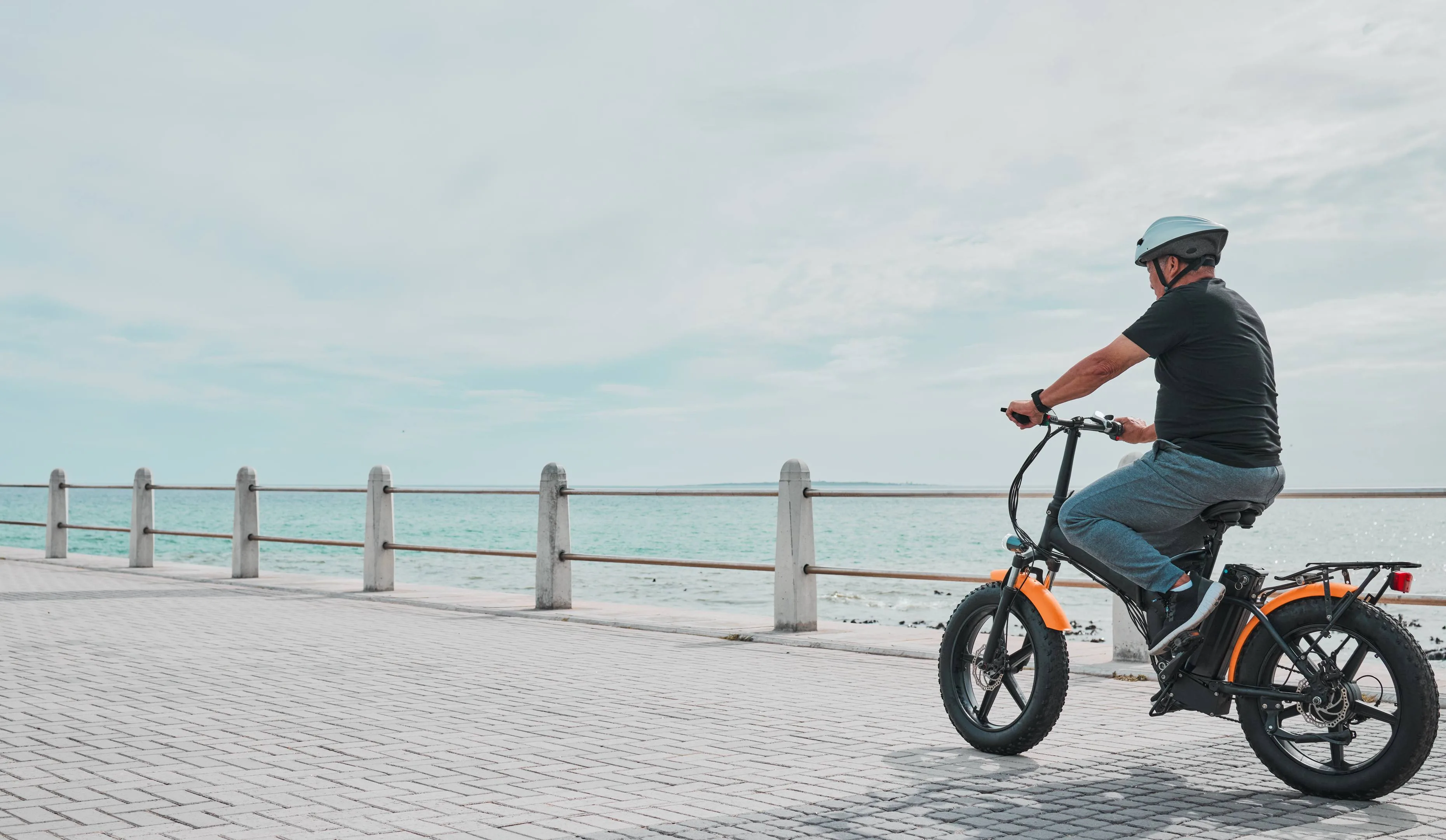
E-bikes are everywhere these days. You see them zipping around Los Angeles streets and cruising along Orange County bike paths. But what happens when something goes wrong? Can you actually sue if you're hurt in an e-bike accident?
The short answer is yes, you might be able to sue. But it depends on several factors.
Who Can Be Held Responsible?
E-bike accidents can involve multiple parties. Let's break down who might be liable:
Other Drivers: If a car hits you while you're riding your e-bike, the driver could be responsible. This is pretty straightforward. If they were texting, speeding, or just not paying attention, they're likely at fault. The same principles that apply to regular bicycle accidents often extend to e-bike incidents.
Property Owners: Say you're riding through a parking lot in Irvine and hit a huge pothole that wasn't marked. The property owner might be liable for not maintaining safe conditions. Shopping centers, apartment complexes, and business districts all have responsibilities to keep their pathways reasonably safe for cyclists.
Manufacturers: Sometimes the e-bike itself is the problem. If your brakes failed because of a design flaw, you might have a case against the manufacturer. Battery malfunctions, steering defects, or inadequate safety warnings can all form the basis of product liability claims.
Government Entities: Cities and counties maintain roads and bike paths. If poor road conditions caused your accident, you might be able to sue the government entity responsible. However, claims against government entities have strict procedural requirements and shorter deadlines.
What You Need to Prove
To win a lawsuit, you need to show negligence. This means proving four things:
First, the other party had a duty to keep you safe. Drivers have a duty to watch for cyclists. Property owners have a duty to maintain safe conditions. This legal duty varies depending on the relationship between you and the defendant.
Second, they breached that duty. Maybe the driver was speeding or the property owner knew about a dangerous condition but didn't fix it. The breach must be something a reasonable person wouldn't have done in the same situation.
Third, their breach caused your accident. This is often the trickiest part to prove. You need to show both that their actions directly caused the incident and that it was a foreseeable result of their negligence.
Fourth, you suffered actual damages. This could be medical bills, lost wages, or pain and suffering. Without real damages, there's no basis for compensation even if negligence occurred.
California's E-Bike Laws Matter
California has specific laws about e-bikes. These can affect your case significantly. E-bikes are classified into three categories based on their speed and whether they have a throttle.
Class 1 e-bikes have pedal assistance up to 20 mph. Class 2 e-bikes have a throttle and also max out at 20 mph. Class 3 e-bikes can assist up to 28 mph but require pedaling.
If you were following all the rules and someone else wasn't, that strengthens your case. But if you were riding where you shouldn't have been, it could hurt your chances.
For example, Class 3 e-bikes can't use certain bike paths. If you were on the wrong path and got hurt, that could work against you. Helmet requirements also vary by class and rider age, and violations can impact your case.
Steps to Take After an Accident
What you do right after an accident can make or break your case. Here's what to focus on:
Get medical attention first. Your health is most important. Plus, having medical records from right after the accident helps prove your injuries. Even if you feel fine initially, adrenaline can mask serious injuries.
Call the police if the accident was serious. A police report can be valuable evidence later. The responding officer will document the scene, interview witnesses, and potentially cite the at-fault party.
Take photos of everything. The accident scene, your bike, your injuries, the other vehicle if there was one. Photos don't lie. Capture different angles and include wider shots that show the overall context of where the accident occurred.
Get contact information from witnesses. People forget things over time, so get their information while they're still there. Ask if they'd be willing to provide a written statement about what they saw.
Don't admit fault. You might think you know what happened, but accidents are complicated. Let the investigation sort it out. Statements made at the scene can be used against you later, even if you're just being polite.
Special Considerations in LA and Orange County
Los Angeles and Orange County have lots of bike lanes and paths. But they also have heavy traffic and unique challenges that create specific risks for e-bike riders.
LA's busy streets can be dangerous for e-bike riders. Cars often don't expect bikes to be going 20+ mph. This speed difference can cause accidents, especially at intersections where drivers misjudge how quickly an e-bike is approaching.
Orange County has many beach communities with bike paths. These paths mix pedestrians, regular bikes, and e-bikes. Conflicts between different users can lead to accidents, particularly during peak tourist seasons when paths become overcrowded.
Both areas have hills and varied terrain. E-bikes can go faster downhill than regular bikes, which some people don't expect. The additional weight of e-bikes also means they need more distance to stop safely.
Understanding Your Damages
E-bike accident injuries can be severe. Unlike cars, e-bikes don't offer protection in crashes. Common injuries include head trauma, broken bones, road rash, and internal injuries.
Medical expenses can add up quickly. Emergency room visits, surgeries, physical therapy, and ongoing treatment all cost money. Economic vs. non-economic damages both play important roles in determining your compensation.
Lost wages matter too. If your injuries prevent you from working, you can seek compensation for lost income. This includes both wages you've already missed and future earning capacity if you can't return to your previous job.
Pain and suffering damages recognize that injuries cause more than just financial harm. The physical pain, emotional distress, and reduced quality of life all have value in legal terms.
Challenges You Might Face
E-bike accident cases aren't always simple. Insurance companies might argue about whether your e-bike is really a bicycle or more like a motorcycle. This classification can affect coverage and liability determinations.
Some people still don't understand e-bikes. A jury might not realize how fast they can go or how they work. Education about e-bike capabilities becomes part of building your case.
Comparative negligence is another issue. California uses a system where your compensation gets reduced if you're partially at fault. If you were 30% responsible for the accident, your award gets cut by 30%. This makes it crucial to minimize any contributory fault on your part.
Bias against cyclists can also be a factor. Some people have negative attitudes toward bike riders, viewing them as obstacles or rule-breakers. Overcoming these preconceptions requires careful case preparation.
When to Consider Legal Action
Not every accident needs a lawsuit. Minor scrapes might not be worth the time and expense. But several factors suggest you should seriously consider legal action.
If you have serious injuries, significant medical bills, or lost income, it's worth exploring your options. The same goes if someone clearly caused the accident through reckless behavior. When insurance companies offer inadequate settlements, litigation might be necessary.
Sometimes you need a second opinion on your accident case to fully understand your options. Different attorneys might evaluate the same facts differently and see opportunities others missed.
Time limits matter too. California generally gives you two years to file a personal injury lawsuit. But claims against government entities have much shorter deadlines - sometimes just six months to file a claim.
Working With Legal Professionals
E-bike accident cases can be complex. Having experienced legal representation can make a significant difference in the outcome. Lawyers understand how to investigate accidents, gather evidence, and negotiate with insurance companies.
The right attorney will understand e-bike technology and California's specific laws governing these vehicles. They can also help you navigate the various deadlines and procedural requirements that apply to different types of claims.
If you're unsure about your current legal representation, it's worth understanding how to protect your interests while evaluating your options.
The Bottom Line
Yes, you can sue after an e-bike accident. But success depends on the specific facts of your case. Who was involved? What caused the accident? How badly were you hurt?
The key is understanding your rights and taking the right steps from the beginning. Document everything, get medical care, and don't rush into any decisions. E-bike accidents often involve unique legal and technical issues that require careful handling.
E-bike accidents are becoming more common as these vehicles gain popularity. Knowing your options helps you protect yourself and get fair compensation when things go wrong. The intersection of traditional traffic laws and emerging e-bike technology creates new legal challenges, but also new opportunities for justice.

Talk to a senior attorney directly.