Common Causes of E-Bike Accidents
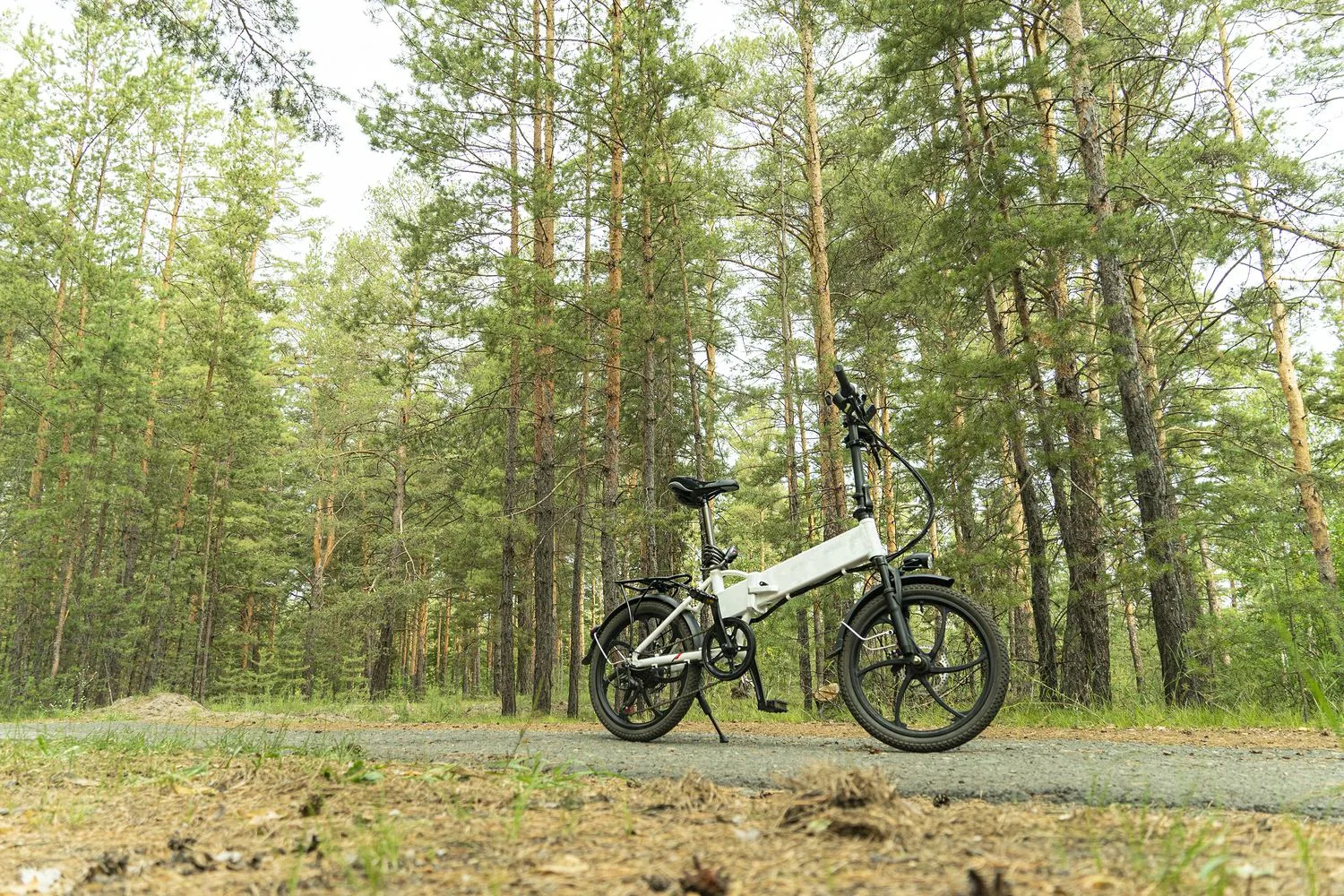
E-bikes are everywhere these days. You see them zipping down the bike lanes in Santa Monica and cruising through Irvine's neighborhoods. But with their growing popularity comes a new set of safety concerns that many riders don't fully understand.
Let me break down the most common reasons e-bike accidents happen. Understanding these risks can help keep you safer on your next ride through Southern California's busy streets.
Battery and Electrical Malfunctions
E-bike batteries can fail unexpectedly. When this happens, you might suddenly lose power while climbing a hill or accelerating through an intersection.
Picture this: You're riding up one of those steep hills in Laguna Beach. Your battery dies halfway up. Now you're stuck on a heavy bike that's much harder to pedal than a regular bicycle. This sudden change can cause you to lose control or fall into traffic.
Overheating batteries are another serious concern that's becoming more common. Some cheaper e-bikes have poorly designed charging systems that weren't tested thoroughly. These can overheat, smoke, or even catch fire while you're riding. It doesn't happen often, but when it does, the results can be devastating for both rider and bystanders.
Water damage to electrical systems creates additional risks. Los Angeles might be known for sunshine, but those unexpected downpours can wreak havoc on cheaper electrical components.
Speed-Related Accidents
E-bikes can reach speeds of 20 to 28 mph without much effort. That's fast enough to cause serious injuries in a crash.
Many new riders aren't prepared for this speed. They're used to regular bikes that require real effort to go fast. With an e-bike, you can hit top speed quickly without the gradual buildup that helps your brain adjust. This catches many riders off guard, especially when they need to make split-second decisions.
On busy streets like Sunset Boulevard or Beach Boulevard in Orange County, this extra speed can be dangerous. You might find yourself going faster than traffic expects. Cars pulling out of driveways or parking spots might not account for your higher speed, leading to serious collisions.
Speed also affects your reaction time when obstacles appear. A pedestrian stepping into a bike lane or a car door opening requires immediate responses that become much harder at e-bike speeds.
Brake System Failures
E-bikes are heavier than regular bikes. They need better brakes to stop safely. Unfortunately, some manufacturers cut corners on brake quality to keep costs down.
Poor brake maintenance makes this worse. Many riders don't realize their e-bike brakes need more frequent attention than regular bike brakes. The extra weight and speed put significantly more stress on the brake system, wearing components down faster.
When brakes fail on a steep downhill in areas like the Hollywood Hills, the results can be catastrophic. You're dealing with gravity, speed, and a heavy bike that won't stop when you need it to.
Brake fade from overheating is another issue unique to e-bikes. Constant braking on long descents can cause brake systems to overheat and lose effectiveness just when you need them most.
Motor Malfunctions
Sometimes e-bike motors can surge unexpectedly. This means the bike suddenly accelerates when you don't expect it, throwing you off balance.
Other times, motors can cut out completely. You might be relying on the motor assist to maintain speed in traffic. When it fails, you suddenly slow down dramatically. This can cause rear-end collisions or force you into unsafe situations where you're blocking traffic.
Throttle malfunctions are particularly dangerous on certain e-bike models. Some e-bikes have twist-grip throttles like motorcycles. If these stick or malfunction, your bike might accelerate out of control into traffic or pedestrians.
Software glitches in newer smart e-bikes can also cause erratic motor behavior, especially when the bike's computer systems conflict with each other.
Traffic-Related Accidents
Many drivers in Los Angeles and Orange County still don't know how to share the road with e-bikes. They see a bicycle and expect it to move at bicycle speeds. When you're moving at 25 mph, this creates dangerous confusion and misjudgments.
Door accidents are increasingly common. Someone parks on busy streets like Melrose Avenue or Main Street in Huntington Beach. They open their car door without looking for oncoming cyclists. You're moving faster than they expect and don't have time to stop or swerve safely.
Intersection accidents happen frequently throughout both counties. Drivers making right turns often don't see e-bike riders approaching at higher speeds. Or they misjudge the rider's speed and timing, leading to serious T-bone collisions.
Lane-splitting behavior, borrowed from motorcycle culture, puts e-bike riders at risk when they attempt to ride between cars in stopped traffic.
Rider Experience and Training Issues
Unlike motorcycles, e-bikes don't require licenses or training in California. Many people hop on powerful e-bikes without understanding how they work or what risks they present.
The learning curve is steeper than people expect. Handling a 60-pound bike at 25 mph is completely different from riding a regular bicycle. New riders often overestimate their abilities based on childhood bike-riding experience.
Poor decision-making compounds these issues significantly. Inexperienced riders might attempt maneuvers they wouldn't try on a regular bike. They feel invincible with the motor assist, leading to overconfidence in dangerous situations.
Many riders also don't understand the legal requirements and restrictions for e-bike operation, putting themselves at risk of both accidents and legal issues.
Infrastructure Problems
Many bike lanes in LA and OC weren't designed for e-bikes traveling at higher speeds. They're too narrow for the speeds e-bikes can reach safely. Mix fast e-bikes with regular cyclists, and accidents become more likely.
Poorly maintained roads create additional hazards. Potholes that might just be bumpy on a regular bike can throw an e-bike rider violently. The extra weight makes it harder to navigate around obstacles quickly and safely.
Construction zones are particularly dangerous for e-bike riders. Orange County has ongoing road projects that create narrow passages and unexpected obstacles. E-bikes moving at higher speeds have less room to maneuver safely around construction barriers and equipment.
Inadequate signage and road markings also contribute to accidents, especially where bike lanes merge with vehicle traffic or end abruptly.
Weather and Environmental Factors
Wet roads are significantly more dangerous for e-bikes than regular bicycles. The extra weight makes it much harder to control skids and slides. Electric components can also malfunction when exposed to water, creating additional safety risks.
Strong winds affect e-bikes differently than regular bikes. The heavier frame and different weight distribution can make them harder to control in gusty conditions common along the coast.
Heat can affect battery performance and create unexpected power drops, while cold weather can reduce battery life and effectiveness when you need it most.
What to Do if You're Injured
If you've been injured in an e-bike accident, especially due to equipment failure or another driver's negligence, you may have legal options. Getting a second opinion on your accident case can help you understand your rights and potential compensation.
Document everything immediately after an accident. Take photos of your e-bike's condition, any visible injuries, and the accident scene. Keep records of medical treatment and repair costs.
Understanding the difference between economic vs. non-economic damages becomes crucial when dealing with serious e-bike accident injuries that affect both your finances and quality of life.
Protecting Yourself
Regular maintenance is absolutely crucial for e-bike safety. Check your brakes, battery, and motor regularly. Don't ignore warning signs like unusual noises, decreased performance, or any changes in how your bike handles.
Invest in quality safety gear beyond just a helmet. A good helmet is essential, but consider additional protection like elbow and knee pads, especially if you're riding in heavy traffic areas.
Take time to learn your e-bike's capabilities and limitations thoroughly. Practice in safe areas before hitting busy streets. Understand how your specific model handles, stops, and responds in different conditions.
Stay visible with proper lighting and reflective gear, especially during dawn and dusk hours when many accidents occur.
E-bikes offer tremendous benefits for transportation and recreation. However, they come with real risks that traditional cyclists never face. Understanding these common accident causes helps you ride more safely in LA and Orange County's challenging traffic conditions while enjoying everything these innovative vehicles have to offer.

Talk to a senior attorney directly.