E-Bike Accidents Caused by Road Hazards
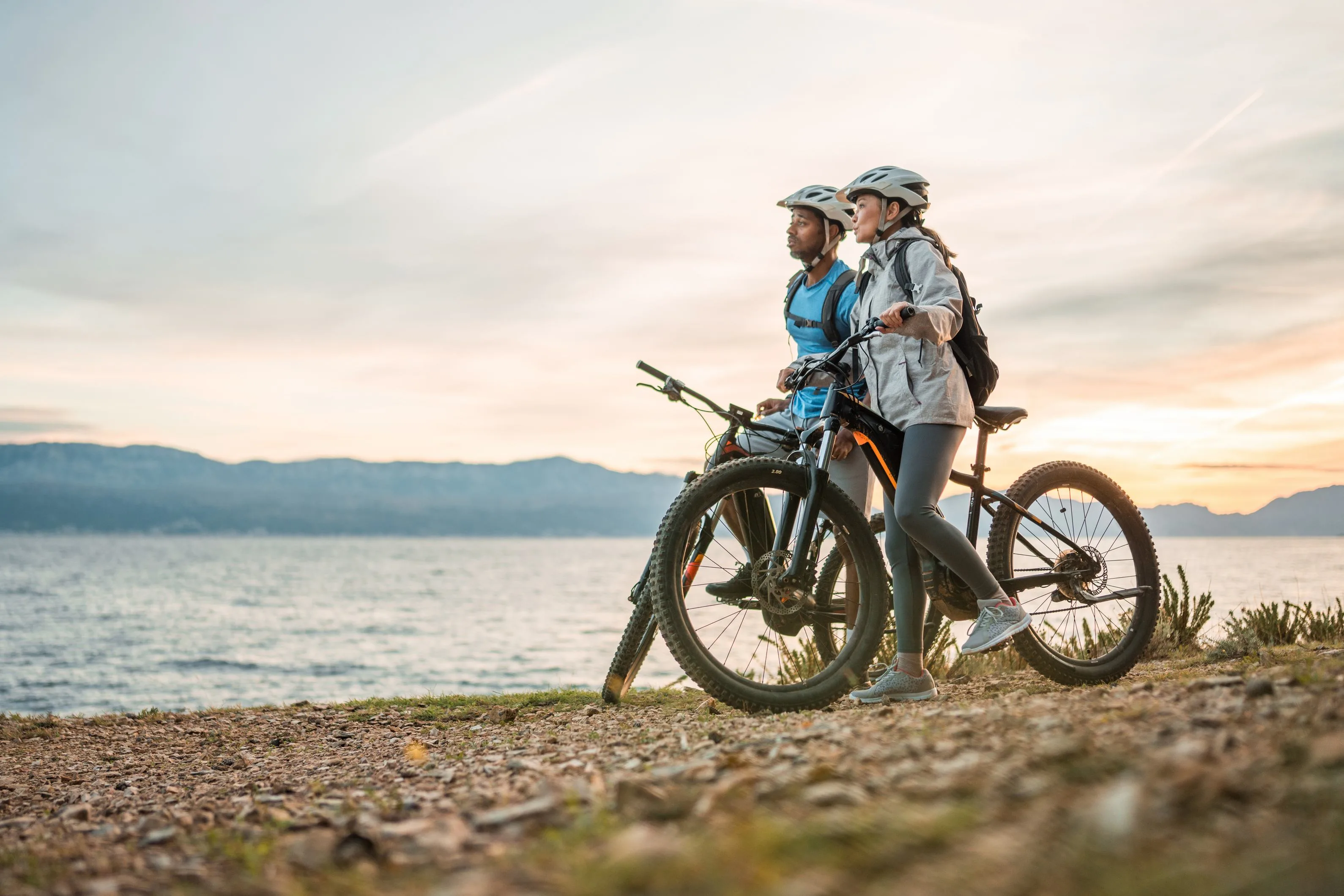
E-bikes are everywhere these days. You see them zipping through Los Angeles streets and cruising along Orange County bike paths. But here's the thing - road hazards make riding them pretty dangerous.
Unlike cars with four wheels and protection all around, e-bike riders are totally exposed. When you hit a pothole in your car, you might spill your coffee. When an e-bike rider hits the same pothole, they could end up in the hospital with serious injuries that change their life forever.
The Most Common Road Hazards
Let's talk about what's actually out there waiting to trip you up. Potholes top the list. LA's streets are famous for them, and Orange County has plenty too.
Construction debris is another big one. You know those orange cones and work zones? They often leave behind nails, screws, and chunks of concrete that scatter across bike lanes like landmines. Your e-bike tire doesn't stand a chance against a sharp piece of metal lurking in shadows.
Uneven pavement causes problems too. Where sidewalks meet the street, or where different types of pavement connect, you get these little lips and bumps. They're small enough that cars barely notice. But they can throw an e-bike rider right off balance, sending them tumbling onto unforgiving asphalt.
Oil spills and water create slippery surfaces that transform ordinary roads into treacherous skating rinks. Gas stations, parking lots, and areas where cars leak fluids become deadly traps for two wheels. Add some morning dew or light rain, and you've got a recipe for disaster that even experienced riders struggle to navigate safely.
Drain grates deserve special mention. The slots in these metal covers can grab e-bike tires and stop them instantly. The rider keeps moving forward though - usually right over the handlebars in a violent arc that often results in head-first contact with the pavement.
Loose gravel scattered from construction sites creates another significant hazard that many riders underestimate. Small stones act like ball bearings under tires, causing sudden loss of traction during turns or braking. Even a thin layer can send an e-bike sliding sideways unexpectedly.
Why E-Bikes Are Extra Vulnerable
E-bikes move faster than regular bikes, sometimes reaching speeds of 25-30 mph on flat surfaces. That extra speed means less time to react to hazards. It also means harder impacts when something goes wrong.
The batteries make e-bikes heavier too - often 20-30 pounds more than traditional bicycles. More weight means more momentum when you're heading toward trouble. Stopping or changing direction quickly becomes much harder, and the physics work against you in every emergency situation.
Many e-bike riders are new to cycling or returning after years away from bikes. They haven't developed the instincts that help experienced cyclists spot and avoid dangerous road conditions. They're learning as they go, sometimes the hard way, without understanding how road surfaces affect handling and braking distance.
Where These Accidents Happen Most
In Los Angeles, the mix of old infrastructure and constant construction creates perfect storm conditions. Streets that haven't been properly maintained in years get patched repeatedly. The result is a bumpy, uneven surface that challenges even experienced riders with sudden elevation changes and unpredictable traction zones.
Orange County's newer developments often look safer, but they have their own problems lurking beneath clean appearances. Construction zones for new housing and commercial projects leave debris scattered around like hidden traps waiting for unsuspecting riders. Bike lanes that look clean and safe can hide oil spots from delivery trucks and construction vehicles.
Beach areas in both counties present unique hazards that catch many riders off guard. Sand blows onto bike paths and streets, creating slippery surfaces that feel like riding on marbles. Salt air corrodes drain covers, creating rough, uneven surfaces that can catch tires. Popular spots like Santa Monica and Huntington Beach see heavy traffic that wears down pavement faster, creating dangerous ruts and worn areas.
Industrial areas pose additional risks with heavy truck traffic that damages roads and leaves behind diesel spills. These zones often have poor lighting that makes hazards harder to spot, especially during early morning or evening commutes when many e-bike riders are traveling to and from work.
The Real Cost of These Accidents
Road hazard accidents often cause serious injuries that extend far beyond simple cuts and bruises. Without the protection of a car around them, e-bike riders absorb the full impact of crashes with their bodies.
Head injuries happen frequently, even when riders wear helmets properly. The sudden stop or unexpected direction change can cause traumatic brain injuries that affect people for life, impacting everything from memory and concentration to basic motor functions.
Broken bones are common too, particularly in the upper body where riders instinctively try to protect themselves. Wrists, arms, and collarbones take the brunt when riders try to break their falls. Hip and leg injuries occur when the bike falls on top of the rider or when they slide into curbs or other obstacles.
Road rash might sound minor, but it's incredibly painful and can lead to permanent scarring that requires multiple surgeries. Sliding across asphalt at 20 mph strips away skin layer by layer and sometimes requires skin grafts to heal properly, leaving lasting reminders of the accident.
Internal injuries from blunt force trauma can be life-threatening but aren't always immediately apparent. Riders may walk away thinking they're fine, only to discover later that they've suffered organ damage or internal bleeding that requires emergency surgery.
What Makes These Cases Complex
Figuring out who's responsible for road hazard accidents gets complicated quickly. Is it the city's fault for not maintaining the road? The construction company that left debris behind? The property owner who didn't clean up their oil leak?
Government agencies have specific rules about how long they have to fix known hazards after receiving notice. But proving they knew about a pothole or dangerous drain grate requires documentation that isn't always easy to find. Cities often claim they weren't aware of problems, making it crucial to establish a timeline of when hazards first appeared.
Insurance companies often try to blame the rider with tactics that can seem overwhelming to injured victims. They'll argue that any careful cyclist would have seen and avoided the hazard, regardless of lighting conditions or visibility. This puts injured riders in the position of having to prove the road condition was truly unavoidable, even for the most cautious person.
Time limits add pressure too, as evidence disappears quickly in busy urban environments. That pothole might get filled within days. Construction debris gets cleaned up by maintenance crews or scattered by traffic. Photos and witness statements become crucial, but most accident victims are thinking about medical treatment and recovery, not building a legal case for compensation.
Multiple parties often share responsibility, creating a web of liability that requires careful investigation. A construction company might have left debris, but the city failed to require proper cleanup. A property owner's negligence combined with poor street lighting creates a situation where determining primary fault becomes a complex legal puzzle.
When dealing with government entities, special notice requirements and shorter statute of limitations periods apply. Missing these deadlines can permanently bar your right to compensation, regardless of how clear the government's fault might be. Getting a second opinion on your accident case can help ensure you don't miss critical deadlines or overlook important aspects of your claim.
The complexity increases when insurance companies for different parties start pointing fingers at each other. While they argue about percentages of fault, injured riders face mounting medical bills and lost wages. Understanding economic vs. non-economic damages becomes important when multiple responsible parties might be involved in your settlement.
If you've been hurt in an e-bike accident caused by road hazards, getting help makes sense. These cases involve multiple layers of law and complex evidence that requires immediate attention. Having someone who understands the system can make the difference between fair compensation and getting stuck with enormous medical bills that follow you for years to come.

Talk to a UCLA-trained attorney directly.