E-Bike Accidents Involving Pedestrians in Urban Areas
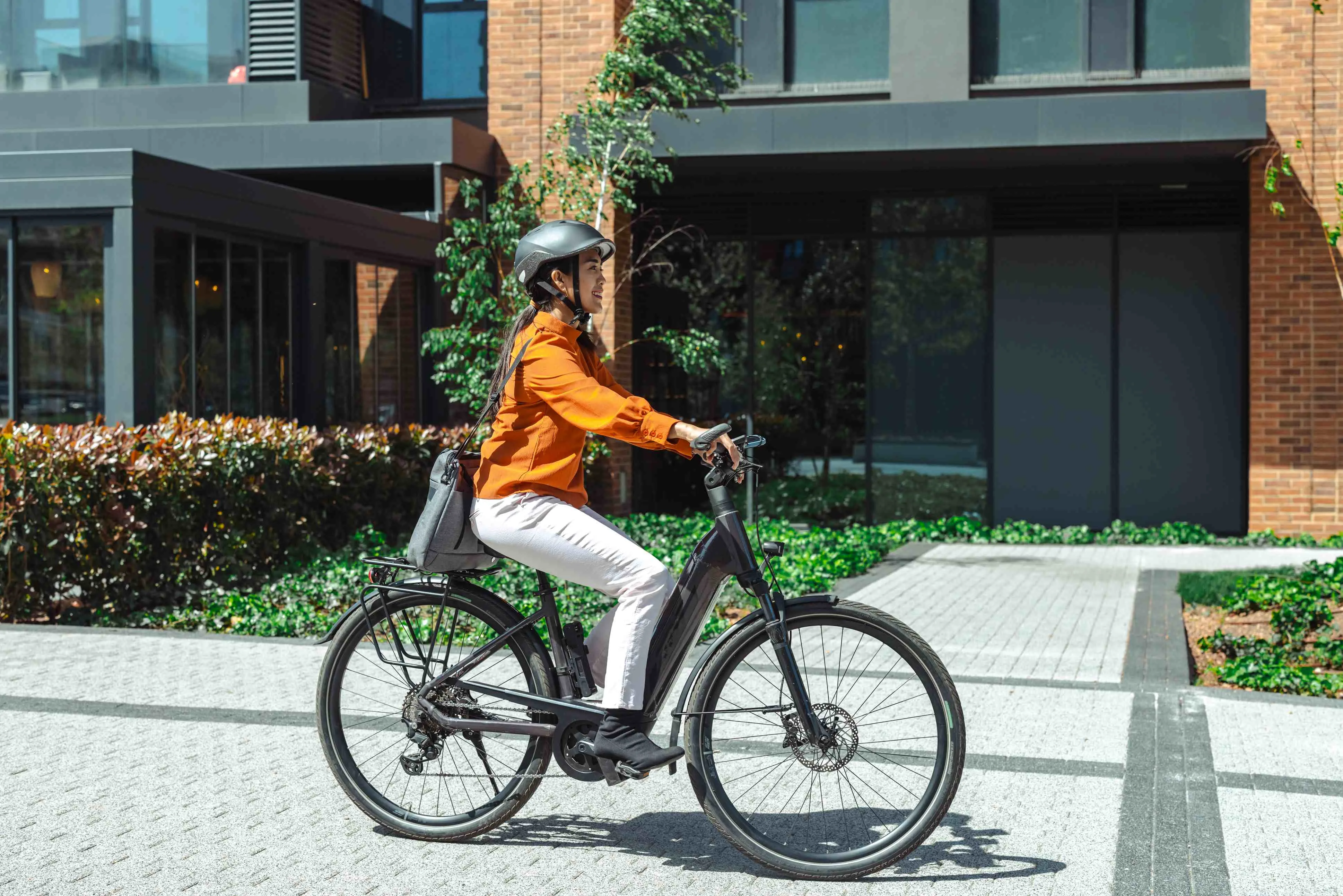
E-bikes are everywhere these days. You see them zipping through Los Angeles streets and cruising along Orange County bike paths. While they're great for the environment and getting around traffic, they're also creating new safety challenges. Accidents between e-bikes and pedestrians are becoming more common in urban areas, particularly as delivery services and commuters increasingly rely on these powerful machines.
Why E-Bike and Pedestrian Accidents Are Rising
E-bikes can reach speeds of 20-28 mph. That's much faster than regular bikes. When an e-bike hits a pedestrian at that speed, injuries can be serious.
In Los Angeles, bike lanes often run right next to sidewalks. Sometimes there's only paint separating cyclists from pedestrians. Orange County has similar issues, especially in busy areas like Irvine and Huntington Beach where tourist foot traffic mixes with local commuter bike routes.
The exponential growth in e-bike popularity has outpaced infrastructure development. Many cities built their bike lane systems decades ago for traditional bicycles moving at much slower speeds. The result is a dangerous mismatch between current reality and outdated design assumptions.
The main reasons these accidents happen include:
- E-bike riders using sidewalks instead of bike lanes
- Pedestrians stepping into bike lanes without looking
- Poor visibility at intersections
- Riders not understanding e-bike speed and power
- Distracted riding or walking
- Delivery drivers rushing to meet deadlines
- Tourists unfamiliar with local traffic patterns
Common Accident Scenarios
Most e-bike and pedestrian accidents happen in predictable situations. Understanding these can help you stay safer.
Intersection Crossings: A pedestrian crosses at a corner while an e-bike approaches. The rider might not expect someone to step out, or the pedestrian might not hear the quiet e-bike coming. Unlike motorcycles, e-bikes operate almost silently, making them particularly dangerous for visually impaired pedestrians who rely on audio cues.
Sidewalk Riding: Some e-bike riders use sidewalks, especially when bike lanes are blocked. Pedestrians don't expect fast-moving vehicles on sidewalks. This problem becomes especially acute during construction periods when bike lanes are temporarily closed.
Shared Paths: Many areas have mixed-use paths for both bikes and pedestrians. Without clear separation, conflicts happen regularly, particularly during peak usage hours when paths become crowded.
Parking Areas: People walking between parked cars can suddenly appear in bike lanes. This is common in downtown LA and busy Orange County shopping areas where parallel parking creates visibility blind spots.
School Zones: Children are unpredictable pedestrians who may dart into bike lanes without warning. E-bike riders often struggle to stop quickly enough when kids change direction suddenly.
Who's Usually at Fault?
Fault depends on the specific situation. Both e-bike riders and pedestrians have responsibilities under California law.
E-bike riders must:
- Follow traffic laws
- Ride in designated areas
- Control their speed
- Give audible warnings when passing
- Yield to pedestrians in crosswalks
- Maintain working brakes and lights
Pedestrians should:
- Look both ways before crossing
- Stay out of bike lanes when possible
- Use designated crosswalks
- Avoid sudden movements into traffic
- Remove headphones in high-traffic areas
Sometimes both parties share fault. California follows comparative fault rules, meaning each person can be partially responsible. If you're uncertain about fault determination in your specific case, consider getting a second opinion from an experienced accident attorney who understands the nuances of e-bike law.
Types of Injuries
E-bike accidents can cause serious injuries. The combination of speed and weight makes these bikes dangerous in collisions.
Modern e-bikes can weigh 50-70 pounds, significantly more than traditional bicycles. When traveling at high speeds, this extra mass creates tremendous impact force during collisions. The physics are unforgiving - momentum equals mass times velocity, and both factors work against pedestrians in these accidents.
Common injuries include:
- Head injuries and concussions
- Broken bones
- Road rash and cuts
- Bruises and soft tissue damage
- Spinal injuries
- Internal bleeding
- Fractured ribs
Older pedestrians often suffer more severe injuries. Their bones break more easily, and they recover more slowly. Children are also particularly vulnerable due to their smaller size and developing bones.
What to Do After an Accident
If you're involved in an e-bike and pedestrian accident, take these steps immediately:
Check for injuries first. Call 911 if anyone needs medical attention. Even minor-seeming injuries can be serious, particularly head injuries that may not show immediate symptoms.
Call the police. In Los Angeles and Orange County, police will create an accident report. This becomes important later for insurance and legal purposes. Don't let the other party talk you out of involving law enforcement.
Document everything. Take photos of the scene, the e-bike, and any injuries. Get contact information from witnesses. Modern smartphones make this easy - take more photos than you think you need, including wide shots showing the overall scene and close-ups of damage or injuries.
Exchange information. Get the rider's name, insurance information, and contact details. If you're the rider, do the same with the pedestrian. Don't forget to note the e-bike's make, model, and any identifying numbers.
Seek medical attention. Some injuries don't show symptoms immediately. Getting checked out protects your health and creates medical records that may become crucial evidence later.
Contact insurance companies. Both parties should notify their insurance carriers about the accident promptly. Delays in reporting can complicate claims processing.
Preserve evidence. Don't repair or dispose of damaged clothing, shoes, or other items until you've consulted with legal counsel about their potential evidentiary value.
Insurance Coverage Complications
E-bike accidents create unique insurance challenges. Many homeowner's or renter's insurance policies don't clearly cover e-bike liability. Some auto insurance policies may provide coverage, while others specifically exclude motorized vehicles like e-bikes.
Commercial delivery riders may have different coverage requirements. Understanding these coverage gaps is crucial for both riders and injured pedestrians. If your current attorney isn't familiar with these evolving insurance issues, you might want to explore seeking new legal representation with specific e-bike accident experience.
Prevention Tips
Most accidents are preventable with awareness and caution.
For e-bike riders:
- Slow down in crowded areas
- Use bells or verbal warnings when passing
- Stay in bike lanes
- Watch for pedestrians at intersections
- Wear bright, visible clothing
- Install front and rear lights
- Practice emergency braking techniques
For pedestrians:
- Look before crossing any lane
- Listen for approaching bikes
- Stay alert when walking near bike paths
- Make eye contact with riders when possible
- Keep children close in high-traffic areas
Urban Planning Challenges
Cities like Los Angeles and Orange County are still figuring out how to handle e-bikes safely. Many bike lanes were designed for slower, traditional bicycles. The infrastructure simply wasn't built to handle vehicles capable of motorcycle-like speeds but with bicycle-like maneuverability.
Better infrastructure helps prevent accidents. This includes:
- Physical barriers between bike lanes and sidewalks
- Better lighting at intersections
- Clearer signage for all users
- Separate paths for different types of traffic
- Speed limit enforcement in mixed-use areas
- Regular maintenance to keep lanes clear of obstacles
Some European cities have implemented successful three-tier systems: sidewalks for pedestrians, dedicated bike lanes for traditional bicycles, and separate lanes for e-bikes and scooters. American cities are beginning to study these models for potential adoption.
Legal Developments and Future Trends
E-bike regulation is still evolving. Different jurisdictions have different rules about where e-bikes can operate, what safety equipment is required, and how insurance coverage works. This regulatory patchwork creates confusion for riders and complicates legal cases when accidents occur.
Recent legislative proposals in California would require insurance for certain classes of e-bikes. Other bills address helmet requirements, age restrictions, and licensing. These changes will likely affect how accident cases are handled and who bears financial responsibility for injuries.
The Bottom Line
E-bikes aren't going away. They're part of the future of urban transportation, offering environmental benefits and practical solutions to traffic congestion. But we all need to adapt to sharing space safely as these powerful machines become more common on city streets.
Whether you ride an e-bike or walk in the city, staying alert and following safety rules protects everyone. When accidents do happen, knowing what steps to take can make a big difference in the outcome. The key is preparation, documentation, and quick action to protect your rights and health.
Remember that these accidents often involve complex questions about fault and insurance coverage. Each situation is unique, and the laws governing e-bikes are still evolving in many areas. Understanding what types of damages you can recover becomes especially important given the potentially serious nature of high-speed e-bike collisions with pedestrians.
As urban areas continue adapting to this transportation revolution, both riders and pedestrians must remain vigilant. The technology is advancing faster than infrastructure and regulation can keep pace, making personal responsibility and awareness more critical than ever for preventing these increasingly common accidents.

Talk to a senior attorney directly.