Are E-Bike Riders Considered Motorists or Cyclists?
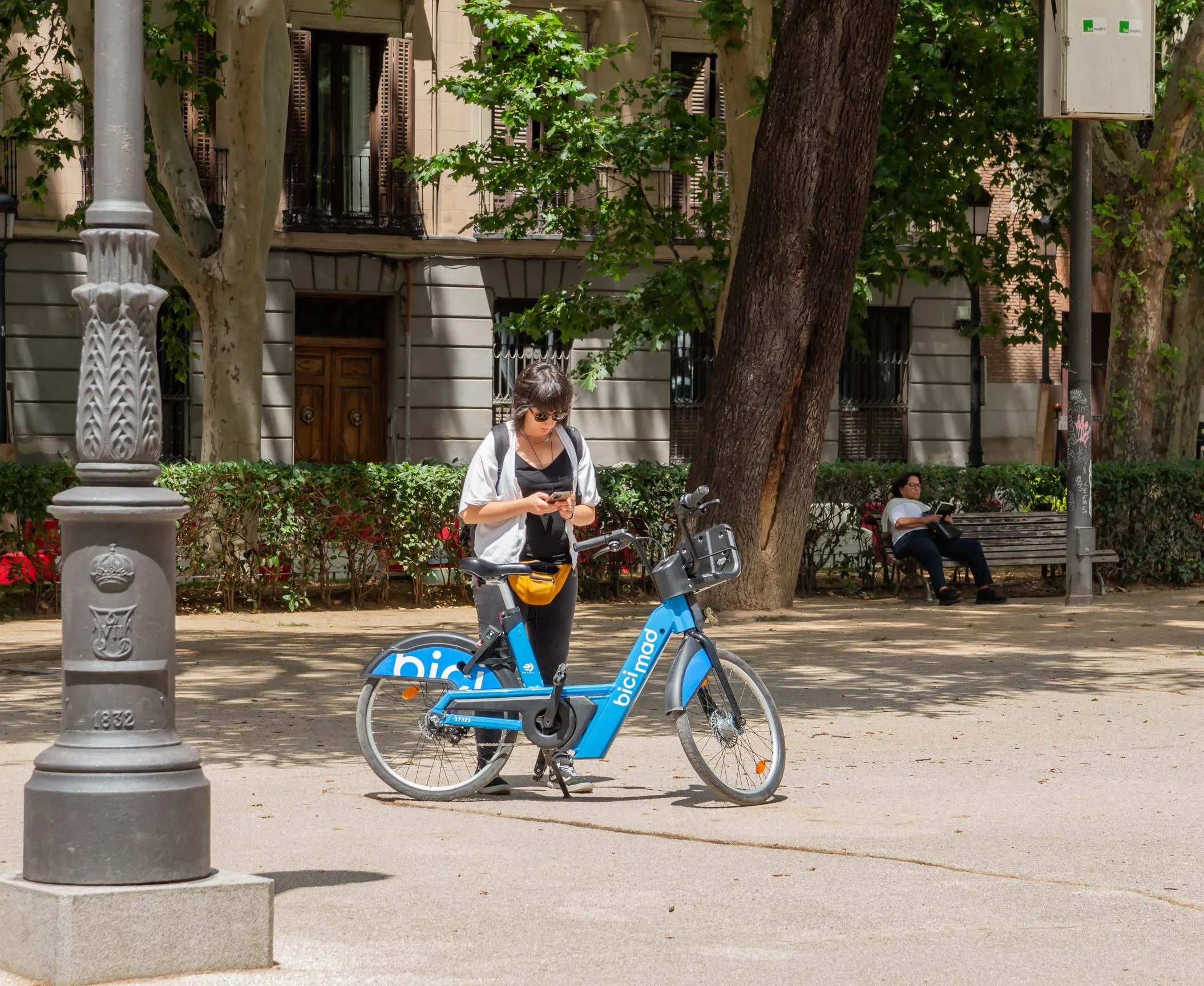
If you've been cruising around Los Angeles or Orange County on an e-bike, you might wonder: Am I a cyclist or a motorist? It's a great question that affects everything from where you can ride to what happens if you're in an accident.
The short answer? E-bike riders are primarily considered cyclists under California law. But like most legal questions, there's more to the story.
California's E-Bike Classification System
California divides e-bikes into three classes. Each class has different rules and requirements.
Class 1 e-bikes provide assistance only when you pedal. The motor stops helping at 20 mph. These are treated just like regular bicycles in most situations.
Class 2 e-bikes can be powered by the motor alone, without pedaling. They're also limited to 20 mph. Think of those rental e-bikes you see around Santa Monica or Newport Beach.
Class 3 e-bikes are the speed demons. They assist up to 28 mph but only when you're pedaling. These have some additional requirements we'll discuss.
Where E-Bike Rules Get Complicated
Here's where things get interesting. While e-bikes are generally considered bicycles, they follow some motor vehicle rules too.
For example, if you're riding a Class 3 e-bike in Los Angeles, you must wear a helmet if you're under 18. You also can't carry passengers unless they're in a properly designed seat.
All e-bike riders must follow basic traffic laws. This means stopping at red lights, yielding to pedestrians, and riding in the same direction as traffic. Just like regular cyclists.
The enforcement of these rules can vary significantly across different jurisdictions. Some areas have stricter interpretations than others when it comes to e-bike regulations.
Insurance and Liability Questions
This is where the cyclist versus motorist question really matters. If you're in an accident on your e-bike, several factors determine liability.
Your homeowner's or renter's insurance might cover e-bike accidents. But coverage varies widely between policies. Some insurers treat e-bikes like bicycles. Others might have specific exclusions.
If a car hits you while you're riding legally in a bike lane in Orange County, the driver's auto insurance would typically be responsible. This is similar to any bicycle accident.
However, if your e-bike malfunctions and causes an accident, product liability laws might apply. The manufacturer could be responsible for defects or design issues.
Insurance companies are still adapting to the rise of e-bikes, which means coverage gaps can exist that traditional cyclists don't face. It's worth reviewing your policy carefully or speaking with your insurance agent about specific e-bike coverage options available in your area.
Traffic Laws and Road Rights
E-bike riders have the same road rights as regular cyclists in most situations. You can use bike lanes, multi-use paths, and roads where bicycles are allowed.
But there are exceptions. Some trails and paths prohibit motorized vehicles entirely. This can include e-bikes, even though they're legally considered bicycles.
In Los Angeles County, many beach paths allow Class 1 and 2 e-bikes but prohibit Class 3 models. Always check local signage before riding.
Orange County has similar rules, but individual cities can be more restrictive. Irvine, for example, has specific regulations about e-bike use in certain areas.
Understanding these nuances becomes particularly important if you frequently commute between different cities or counties, as what's perfectly legal in one jurisdiction might result in a citation in another.
What This Means for Accident Cases
When accidents happen, the cyclist classification usually helps e-bike riders. You're protected by the same laws that protect traditional bicycle riders.
California's "three feet for safety" law requires drivers to give cyclists at least three feet of clearance when passing. This applies to e-bike riders too.
However, e-bike riders also have responsibilities. If you're not following traffic laws or riding recklessly, you could be partially at fault in an accident.
Speed matters here. Class 3 e-bikes can reach 28 mph, which is faster than most people ride traditional bikes. Higher speeds can affect fault determination and injury severity.
The complexity of these cases often requires specialized legal knowledge, particularly when dealing with insurance companies who may try to shift blame or minimize payouts. If you're involved in an e-bike accident and facing challenges with your current legal representation, knowing when to seek new legal counsel can be crucial to protecting your interests.
Registration and Licensing Requirements
Unlike motorcycles or mopeds, e-bikes don't require registration or a driver's license in California. This supports their classification as bicycles rather than motor vehicles.
You don't need to carry insurance either, though it's often a good idea. Many cyclists in Los Angeles and Orange County are adding e-bike coverage to their existing policies.
The lack of registration requirements means there's no central database tracking e-bike ownership, which can complicate theft recovery and insurance claims. Consider keeping detailed records of your e-bike's serial number, purchase receipts, and any modifications you've made.
Local Variations Matter
While state law provides the framework, local jurisdictions can add restrictions. Santa Monica has specific rules about e-bike rentals and where they can be parked.
Orange County cities like Huntington Beach have regulations about e-bike use on the beach path. Some areas restrict speeds or require dismounting in crowded zones.
Always check local rules before riding in a new area. What's legal in downtown LA might not be allowed in Manhattan Beach.
These local variations extend beyond just riding rules to enforcement priorities, with some cities focusing more heavily on e-bike violations than others. Understanding the local landscape can help you avoid unnecessary complications.
When Legal Questions Arise
The hybrid nature of e-bike classification can create unique legal situations that don't have clear precedents. Insurance disputes, accident liability, and regulatory compliance issues may require specialized attention.
If you find yourself dealing with complex e-bike legal issues and need clarity on your options, getting a second opinion on your case can provide valuable perspective. Different attorneys may approach e-bike cases with varying strategies based on their experience with these emerging legal questions.
The rapidly evolving nature of e-bike law means that legal precedents are still being established, making expert guidance particularly valuable in navigating these uncharted waters.
The Bottom Line
E-bike riders are primarily considered cyclists under California law. This classification gives you most of the same rights and responsibilities as traditional bicycle riders.
However, some motor vehicle rules apply, especially for faster Class 3 e-bikes. The key is understanding which rules apply to your specific situation.
If you're involved in an e-bike accident in Los Angeles or Orange County, the cyclist classification usually works in your favor. You're protected by bicycle safety laws while having access to the same legal remedies as other traffic accident victims.
Remember, laws can change and local regulations vary. When in doubt, check current local rules or consult with someone familiar with California bicycle and traffic laws.
The e-bike industry continues to grow rapidly, and legal frameworks are adapting accordingly. Staying informed about these changes will help you ride safely and understand your rights should any legal issues arise.

Talk to a senior attorney directly.