How Fault Is Determined in E-Bike Accidents
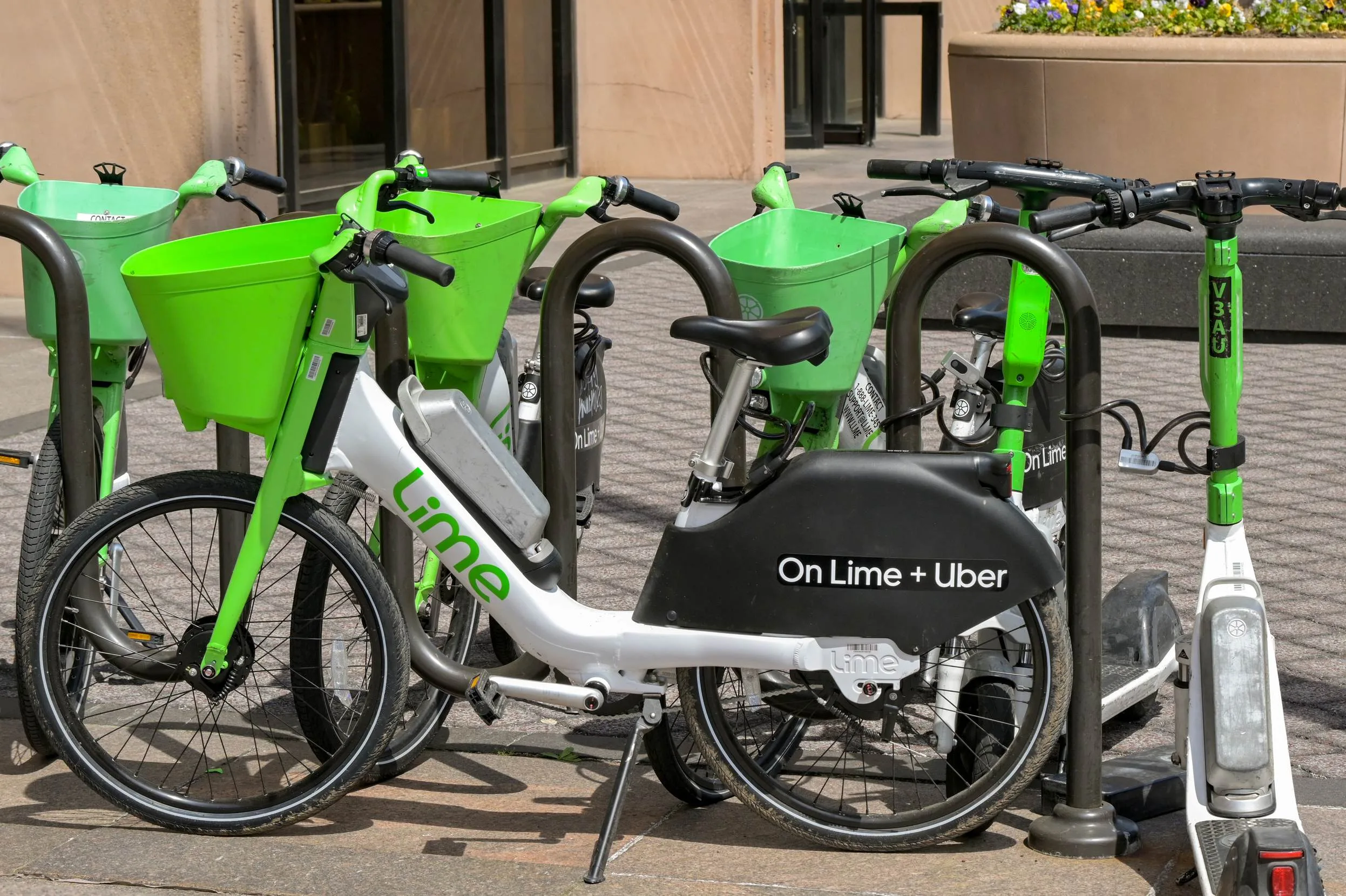
E-bikes are everywhere in Los Angeles and Orange County these days. You see them zipping down bike lanes, sharing roads with cars, and parked outside coffee shops. But when accidents happen, figuring out who's at fault can get complicated fast.
Let me break down how fault gets determined in e-bike accidents. It's not always as straightforward as you might think.
The Basics of Fault Determination
When an e-bike accident happens, investigators look at several key factors. They examine what each person was doing right before the crash. Were they following traffic laws? Did anyone make an unsafe move?
Think of it like piecing together a puzzle. Each piece of evidence helps create the full picture of what went wrong.
In California, we use something called "comparative fault." This means more than one person can share responsibility for an accident. You might be 20% at fault while the other party is 80% responsible.
Traffic Laws and E-Bikes
E-bikes have specific rules in California. Understanding these laws is crucial for determining fault.
E-bikes must follow most of the same traffic rules as regular bicycles. They need to stop at red lights and stop signs. They should ride in bike lanes when available. Riders under 18 must wear helmets.
Here's where it gets interesting. Different classes of e-bikes have different rules. Class 3 e-bikes can't use certain bike paths in Los Angeles County. If someone rides a Class 3 e-bike where they shouldn't, that could affect fault determination.
Speed limits matter too. E-bikes shouldn't go faster than what's safe for conditions. Just because your e-bike can hit 28 mph doesn't mean you should in heavy pedestrian areas.
Evidence That Matters
Several types of evidence help determine fault in e-bike accidents.
Police reports are often the starting point. Officers document the scene, interview witnesses, and note any traffic violations. But remember, police reports aren't the final word on fault.
Photos tell a powerful story. Pictures of vehicle damage, skid marks, and the accident scene help reconstruct what happened. In Orange County's busy areas, security cameras from nearby businesses often capture accidents.
Witness statements provide different perspectives. Someone watching from the sidewalk might see things the people involved missed.
Your e-bike's data might be relevant too. Some e-bikes record speed and other information that could show how fast you were going before impact.
Common Fault Scenarios
Let's look at typical situations and how fault might be assigned.
When a car turns right into an e-bike rider, the driver is usually at fault. California law requires drivers to check for bikes before turning. But if the e-bike was speeding or came from an unexpected direction, fault might be shared.
Door accidents are common in dense areas like downtown Los Angeles. When someone opens a car door into an e-bike rider's path, the person opening the door is typically responsible. However, if the e-bike was riding too far from the curb or going too fast, that could affect fault distribution.
Rear-end collisions usually point to the following vehicle being at fault. But e-bikes that suddenly stop without signaling might share some responsibility.
Intersection accidents create particularly complex fault scenarios. Multiple vehicles, pedestrians, and cyclists converging at once makes determining primary responsibility challenging for investigators and insurance companies alike.
Special Considerations for E-Bikes
E-bikes create unique challenges for fault determination.
Speed is a big factor. E-bikes can reach speeds that surprise other road users. A car driver might misjudge how quickly an e-bike is approaching. This doesn't automatically make the e-bike rider at fault, but it affects how the accident happened.
Equipment failures matter too. If your e-bike's brakes failed or the motor malfunctioned, that could shift fault to the manufacturer or bike shop that serviced it.
Some e-bike riders modify their bikes to go faster than legally allowed. This modification could significantly impact fault determination if it contributed to the accident.
Weather conditions also play a role in fault analysis. Wet roads, poor visibility, or strong winds can affect both e-bike handling and driver reaction times, potentially distributing fault differently than in ideal conditions.
Insurance and Fault
Insurance companies conduct their own fault investigations. They don't always agree with police reports or each other.
Car insurance typically covers accidents involving e-bikes, even when the car driver is at fault. But if you're an e-bike rider, your options might be more limited.
Some homeowner's or renter's insurance policies cover bike accidents. Specialized bike insurance is becoming more common too, especially for expensive e-bikes.
Understanding both economic vs. non-economic damages becomes crucial when dealing with serious e-bike accidents. Your medical bills and lost wages are just the beginning of what you might be able to recover.
The Investigation Process
Professional accident reconstruction specialists sometimes get involved in complex e-bike cases. They analyze skid marks, calculate speeds, and use computer modeling to determine exactly what happened during those critical seconds before impact.
Traffic signal timing records can provide crucial evidence. If a light was malfunctioning or had unusually short timing, that information could significantly impact fault determination in intersection accidents.
Cell phone records might be subpoenaed if distracted driving is suspected. Both drivers and e-bike riders can be held liable for accidents caused by phone use while operating their vehicles.
What You Should Do
If you're in an e-bike accident, document everything you can. Take photos of the scene, your bike, and any injuries. Get contact information from witnesses.
Don't admit fault at the scene. You might not have the full picture of what happened. Let the investigation process determine responsibility.
Seek medical attention even for minor injuries. Adrenaline can mask pain, and some injuries don't show symptoms immediately.
Report the accident to your insurance company promptly. Even if you don't think you're at fault, they need to know what happened.
Consider getting a second opinion on your accident case if you're not satisfied with how your claim is being handled. Sometimes fresh legal perspective can identify issues or opportunities that weren't initially apparent.
When Legal Representation Becomes Necessary
Complex fault scenarios often require professional legal assistance. If multiple parties share responsibility, or if insurance companies are disputing liability, having an experienced attorney becomes essential for protecting your interests.
Serious injuries warrant legal consultation regardless of fault determination. Medical expenses from e-bike accidents can escalate quickly, especially if surgery or long-term treatment becomes necessary.
Property damage disputes also benefit from legal oversight. E-bikes can be expensive, and insurance companies sometimes undervalue replacement costs or necessary repairs.
Moving Forward
Fault determination in e-bike accidents involves multiple factors and parties. The process takes time as investigators gather evidence and analyze what happened.
Understanding these basics helps you know what to expect and how to protect your interests. Whether you're an e-bike rider or driver sharing the road, knowing how fault gets determined can help you make better decisions and stay safer on Los Angeles and Orange County roads.
Remember that fault determination is just the beginning of the legal process. If you're facing disputes with insurance companies or dealing with serious injuries, don't hesitate to seek professional legal guidance to ensure your rights are properly protected throughout the entire claims process.

Talk to a senior attorney directly.