How Speed and Power Class Affect E-Bike Accident Claims
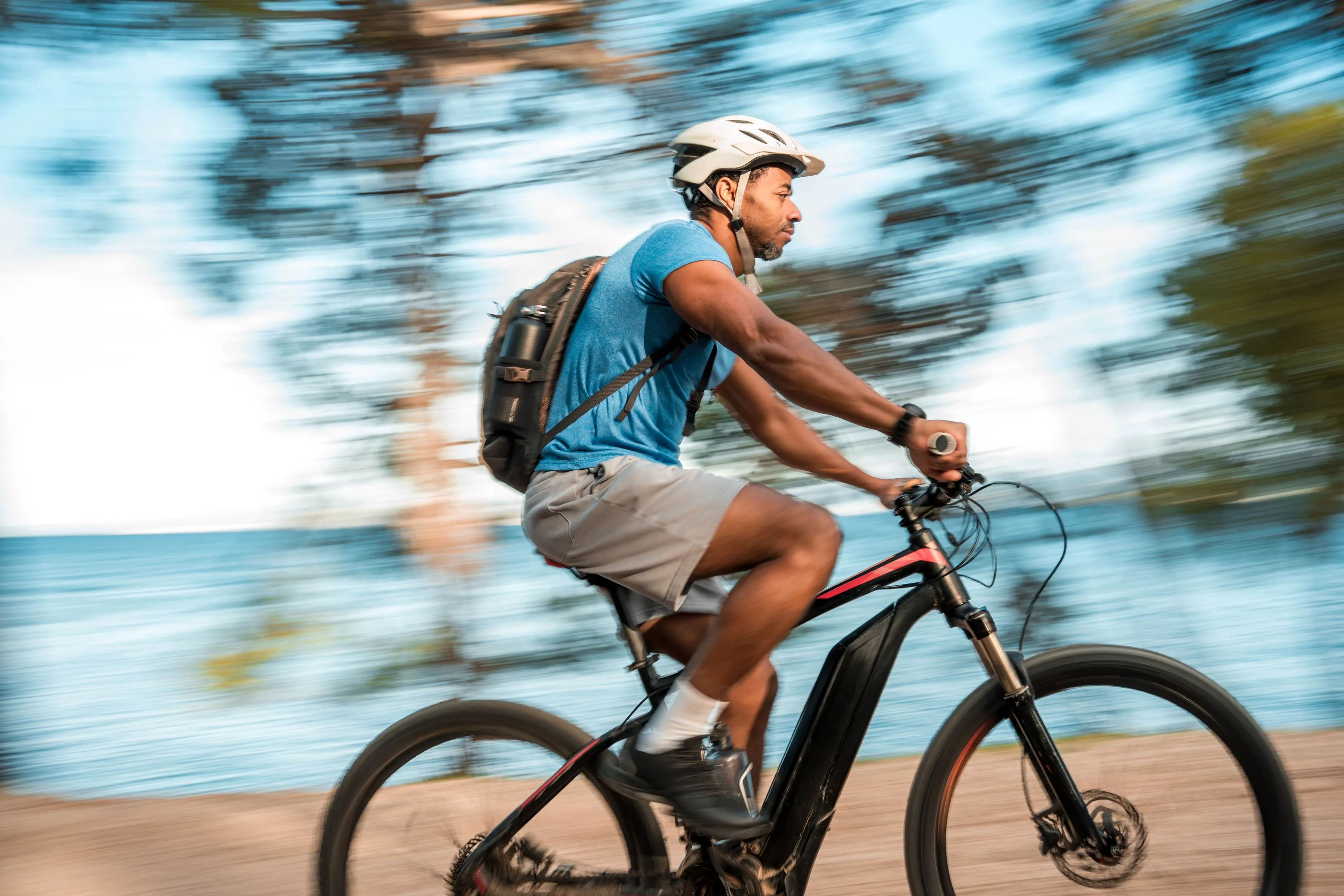
E-bikes are everywhere in Los Angeles and Orange County these days. You see them zipping down Venice Beach, climbing the hills of Laguna Beach, and navigating busy streets in downtown LA. But here's something most people don't know: the type of e-bike involved in an accident can dramatically change how your claim gets handled.
Let me break this down for you in simple terms.
The Three Classes of E-Bikes
California law divides e-bikes into three distinct classes. Each class has different speed limits and power restrictions. More importantly, each class is treated differently when accidents happen.
Class 1 E-Bikes
These are the most basic electric bikes. They only provide assistance when you're pedaling. The motor cuts out completely once you hit 20 mph. Think of them as regular bikes with a helpful push.
In accident claims, Class 1 e-bikes are usually treated like traditional bicycles. This works in your favor most of the time. Insurance companies can't argue that you were operating some kind of high-powered vehicle.
Class 2 E-Bikes
These bikes have throttles. You can ride them without pedaling at all, just like a small motorcycle. They're also speed-limited to 20 mph. Many delivery riders in LA use Class 2 bikes because they're easier on busy routes.
Here's where things get tricky. Some insurance companies try to argue that Class 2 bikes are more like motor vehicles than bicycles. This can affect fault determination and compensation amounts.
Class 3 E-Bikes
These are the speed demons. Class 3 bikes can assist you up to 28 mph, but only while pedaling. They're popular with commuters traveling longer distances, especially in Orange County where people often ride between cities.
Class 3 bikes face the most scrutiny in accident claims. The higher speeds mean more severe injuries. Insurance companies often focus heavily on the speed capabilities when trying to shift blame.
How Speed Affects Your Claim
Speed plays a huge role in how your accident claim develops. It's not just about how fast you were actually going. It's about how fast your bike could go.
Insurance adjusters look at your bike's maximum speed capability. If you were riding a Class 3 bike, they might argue you were inherently engaging in riskier behavior. Even if you were only going 15 mph when the accident happened.
This is particularly relevant on LA's congested streets. Picture this: you're riding your Class 3 e-bike down Wilshire Boulevard at 18 mph. A car pulls out and hits you. The insurance company might focus on your bike's 28 mph capability rather than your actual speed.
When facing these complex situations, it's often beneficial to get a second opinion on your accident case to ensure you're receiving proper legal guidance. Different attorneys may evaluate how your e-bike's classification affects your claim in varying ways.
Power Classifications and Liability
The motor power of your e-bike affects how others perceive the accident. California law limits e-bike motors to 750 watts. But insurance companies don't always understand these technical details.
Some adjusters treat any motorized bicycle as inherently more dangerous. They assume higher speeds mean you had more control over avoiding the accident. This logic is often flawed, but it can impact your claim.
In Orange County, where e-bike commuting is common, we're seeing more sophisticated understanding from insurance companies. But misconceptions still exist, particularly among less experienced adjusters who may not differentiate between e-bike classes properly.
Legal Requirements by Class
Different e-bike classes have different legal requirements in California. These requirements can become evidence in your accident claim.
Class 3 e-bikes require helmets for all riders. If you weren't wearing one during an accident, insurance companies will definitely use this against you. Even if the helmet law didn't contribute to the accident itself.
Class 1 and 2 bikes only require helmets for riders under 18. But smart riders wear them anyway. Not just for safety, but to strengthen their position in potential claims.
Registration requirements also vary by class, though currently California doesn't require registration for any e-bike class. However, some municipalities have their own rules that could affect your case depending on where the accident occurred.
Where You Can Ride Matters
Your e-bike class determines where you're legally allowed to ride. This becomes crucial evidence after an accident.
Class 3 bikes aren't allowed on many bike paths in LA and Orange County. If you were riding where you shouldn't have been, it complicates your claim significantly.
Class 1 and 2 bikes have more access to bike paths and trails. This generally works in your favor during claim negotiations. Some bike paths specifically prohibit Class 2 bikes as well, so knowing the local regulations becomes essential for building a strong case.
Beach paths in Santa Monica and Newport Beach have different rules than mountain bike trails in Laguna Canyon. Location-specific regulations can make or break your claim's strength.
Insurance Company Tactics and E-Bike Classifications
Insurance companies have developed specific strategies for handling e-bike accidents based on classification. They often try to reclassify your bike to minimize their liability.
A Class 1 bike might be argued as a Class 3 if it was modified. Class 2 bikes sometimes get treated as motorcycles in insurance discussions. These misclassifications can dramatically reduce your settlement offers.
Some insurers delay claims while they "investigate" your bike's specifications. This tactic aims to pressure you into accepting lower settlements. Understanding these strategies helps you recognize when you might need to seek a new accident lawyer who better understands e-bike cases.
Medical Evidence and E-Bike Speed Capabilities
Your e-bike's class affects how medical evidence gets interpreted. Higher-speed classifications often correlate with more severe injury expectations in insurance evaluations.
If you were on a Class 3 bike but sustained relatively minor injuries, adjusters might question the accident's severity. Conversely, severe injuries on a Class 1 bike might lead to questions about other contributing factors.
Emergency room reports often note the vehicle type involved in accidents. Make sure medical personnel accurately record your e-bike's classification to avoid later complications in your claim.
Documentation Is Everything
After any e-bike accident, document your bike's class immediately. Take photos of the classification sticker. It's usually located on the frame near the motor.
Insurance companies will investigate your bike's specifications. Having clear documentation from the scene helps establish the facts early.
Also photograph the speedometer or display if it shows your speed at the time of impact. Many e-bikes record this information. Battery levels, assist modes, and any error codes should also be documented as they can provide valuable evidence about your bike's operation during the accident.
Keep your purchase receipt and any modification records. Insurance companies often scrutinize whether bikes have been altered from their original specifications, which could affect classification and liability determinations.
Working with Law Enforcement
Police officers responding to e-bike accidents don't always understand the classification system. Some write "motorcycle" or "moped" on accident reports when they should write "electric bicycle."
Politely educate responding officers about your bike's actual classification. Show them the required labeling and explain the speed limitations. Incorrect police reports create unnecessary complications during claim processing.
If you're unsure about how your attorney is handling these classification issues with law enforcement, consider whether you should protect your interests if you're unsure about your current attorney's approach to your case.
The Bottom Line
Your e-bike's speed and power class significantly impact your accident claim. Higher-class bikes face more scrutiny and potential liability arguments.
But don't let this discourage you from riding the e-bike that fits your needs. Instead, understand how your bike's classification might affect a future claim. Wear proper safety gear. Follow all traffic laws. Document everything if an accident occurs.
The key is being prepared. Know your bike's class. Understand the legal requirements. Ride defensively. These steps protect both your safety and your legal position.
E-bikes are transforming transportation in Southern California. With the right knowledge, you can enjoy the benefits while protecting yourself legally. Remember that insurance companies will use every available angle to minimize payouts, so proper preparation and documentation become your best defense against unfair claim denials.

Talk to a senior attorney directly.