Do You Need a License or Insurance to Ride an E-Bike?
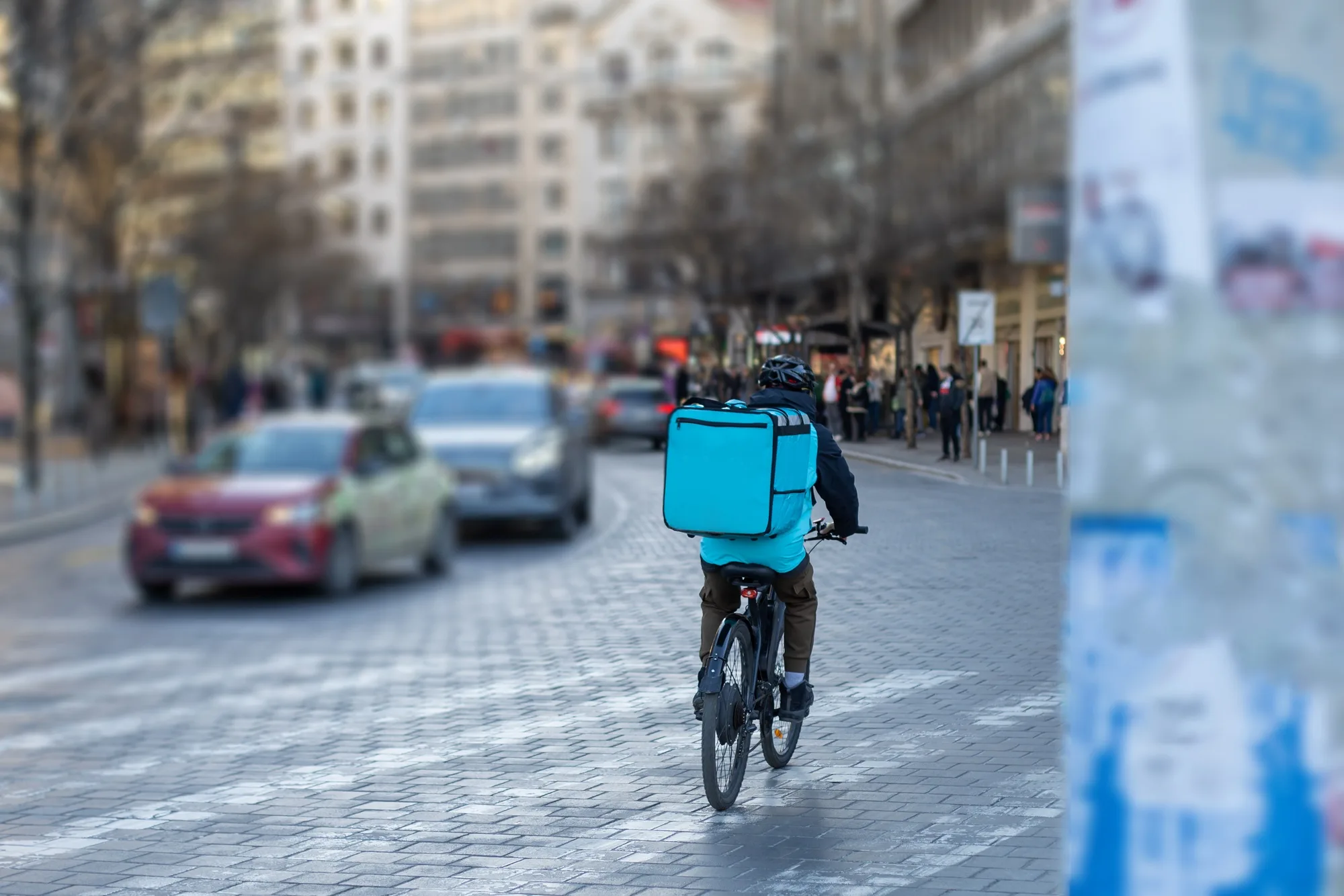
Thinking about getting an e-bike? You're not alone. Electric bikes are everywhere in Los Angeles and Orange County these days, zipping through bike lanes and helping commuters beat traffic. But before you hop on one, you probably want to know: do I need a license? What about insurance?
Here's the good news. In California, you don't need a driver's license to ride an e-bike. You also don't need insurance. But there are some important rules you should know about, and understanding these regulations can save you from potential legal headaches down the road.
The Basics of E-Bike Laws in California
California treats e-bikes differently than motorcycles or cars. The state classifies electric bikes into three distinct categories based on their speed and functionality:
Class 1: These have a motor that only works when you pedal. The motor stops helping at 20 mph. These are the most common type you'll see on bike paths.
Class 2: These can have a throttle that works without pedaling, making them popular for delivery work. The motor still stops at 20 mph, but you don't have to pedal to engage it.
Class 3: These only work when you pedal, but the motor helps up to 28 mph. They're faster but come with more restrictions on where you can ride.
All three types are considered bicycles under California law. That means no license required, period.
Age Requirements You Should Know
While you don't need a license, there are age rules that vary by e-bike class. Anyone 16 or older can ride any class of e-bike without restrictions. But if you're under 16, you can only ride Class 1 or Class 2 e-bikes - no Class 3 models allowed.
Also, if you're under 18, you must wear a helmet at all times while riding. This applies everywhere in California, including Los Angeles and Orange County. The helmet requirement is strictly enforced, and violations can result in fines.
Where Can You Ride in LA and Orange County?
This is where things get interesting and potentially confusing. Different areas have different rules about where e-bikes are allowed, and these regulations change frequently as cities adapt to the growing popularity of electric bikes.
In Los Angeles, you can generally ride Class 1 and Class 2 e-bikes on bike paths and bike lanes without issues. Class 3 e-bikes have more restrictions and are often prohibited on bike paths that are separate from roads, though they're usually allowed in bike lanes on streets.
Orange County has similar baseline rules, but individual cities might have their own restrictions that override county regulations. Huntington Beach, for example, has specific rules about e-bikes on beach paths, and some areas prohibit them entirely during peak tourist seasons.
Newport Beach, Irvine, and other OC cities each have their own nuances. Always check local rules before riding in a new area - what's legal in one city might get you a ticket in the next.
Do You Need Insurance?
California doesn't require insurance for e-bikes, which is different from states that treat them more like motor vehicles. But that doesn't mean you shouldn't consider it, especially given the potential financial risks involved.
Think about it this way. If you accidentally hit someone while riding, you could be responsible for their medical bills, which can easily reach tens of thousands of dollars. If someone steals your expensive e-bike, which can cost $2,000 to $5,000 or more, you're out that money entirely.
Some homeowner's or renter's insurance policies might cover e-bike theft or liability, but coverage varies dramatically between companies and policy types. It's definitely worth calling your insurance agent to ask about specific coverage details and limitations.
There are also specific bicycle insurance policies available through companies like Velosurance and Markel. These usually cost much less than car insurance, often running $100-300 per year depending on your bike's value.
Safety First
Even though you don't legally need much to ride an e-bike, safety should absolutely be your top priority in Southern California's busy traffic environment.
Always wear a helmet, even if you're over 18 and it's not required by law. Los Angeles traffic can be intense, with distracted drivers and aggressive commuters. Orange County has busy streets too, especially during rush hours. A quality helmet could literally save your life in a collision.
Make sure your e-bike has working lights and reflectors that meet California requirements. You need a white front light visible from 300 feet ahead and a red rear reflector. If you ride at night, get a red rear light too that's visible from 500 feet behind.
Follow the same traffic rules as regular bicycles. Stop at red lights and stop signs. Signal when turning using hand signals or electronic indicators. Don't ride against traffic, and always ride as far right as safely possible.
What Happens If You Get Into an Accident?
This is where not having insurance can become a serious financial problem that many riders don't consider until it's too late. If you're hurt in an accident, your health insurance should cover your medical bills, though you might face deductibles and co-pays.
But if you hurt someone else, you might have to pay out of pocket for their medical expenses, lost wages, and pain and suffering. E-bikes can go pretty fast, and a collision with a pedestrian could cause serious injuries like broken bones or head trauma.
Even a minor accident could result in expensive medical bills, property damage, or legal fees. That's why many experienced e-bike riders choose to get some form of liability coverage, even though it's not required by state law. If you find yourself dealing with accident-related legal issues, you might want to consider getting a second opinion on your accident case to ensure you're protecting your interests properly.
Special Considerations for Delivery Riders
If you're thinking about using an e-bike for food delivery through apps like DoorDash, Uber Eats, or other commercial purposes, the rules and insurance requirements might be different from recreational riding.
Some delivery companies require their riders to have personal liability insurance before they can work. Others provide limited coverage while you're actively working on deliveries, but this coverage might not extend to your personal rides or equipment damage.
Commercial use might also change where you can ride or park your e-bike, and some areas have restrictions on commercial vehicles that could apply to delivery riders. Check with any company you plan to work with about their specific insurance requirements and coverage policies.
Understanding Your Rights and Responsibilities
As an e-bike rider, you have the same rights as traditional cyclists to use public roads and bike infrastructure. You also have the same responsibilities to follow traffic laws and ride safely. Understanding these rights can be crucial if you're ever involved in an accident or traffic dispute.
Drivers must give you at least three feet of clearance when passing, and you have the right to take the full lane when necessary for safety. However, you must also yield to pedestrians on shared paths and follow posted speed limits in parks and recreational areas.
If you're ever unsure about your legal situation or rights as an e-bike rider, especially after an accident, don't hesitate to seek professional advice. Sometimes clients benefit from a second legal opinion when dealing with complex traffic or injury situations.
The Bottom Line
You don't need a license or insurance to ride an e-bike in Los Angeles or Orange County, which makes them an accessible transportation option for many people. But you do need to follow age and helmet rules, and you absolutely need to know where you're allowed to ride in different jurisdictions.
Even though insurance isn't required, it might be worth considering given the potential financial risks involved. E-bikes are valuable pieces of equipment, and accidents involving injury or property damage can be extremely expensive.
Most importantly, ride safely and defensively. Follow all traffic laws without exception. Wear protective gear including helmets and bright clothing. Be constantly aware of your surroundings, especially around cars and pedestrians.
E-bikes are a fantastic way to get around Southern California, offering an eco-friendly alternative to cars while helping you avoid parking hassles and traffic jams. Just make sure you understand all the rules and safety considerations before you start riding regularly.

Talk to a senior attorney directly.