Are E-Bike Accidents Treated Like Bicycle or Motorcycle Cases?
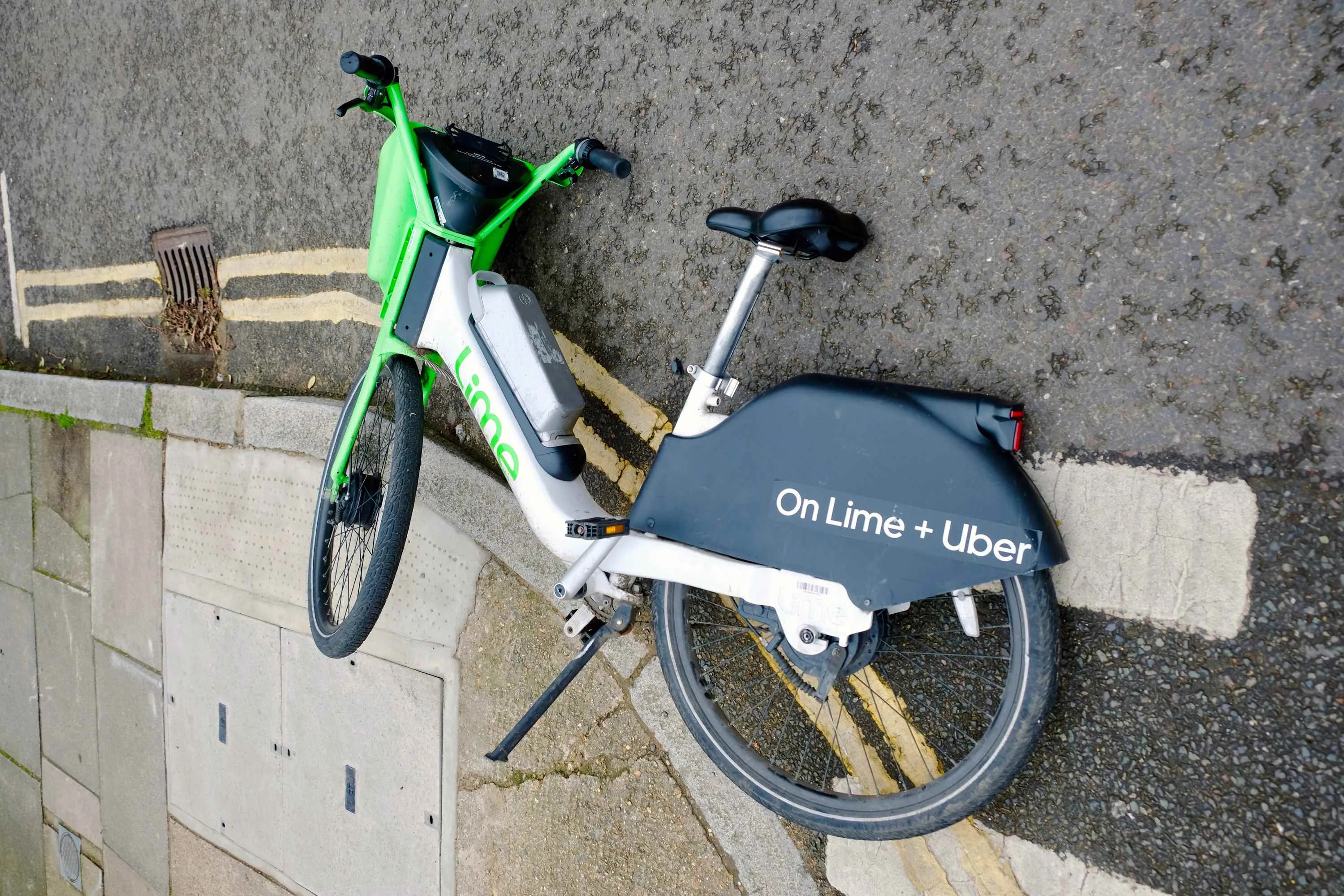
E-bikes are everywhere now. You see them zipping through Los Angeles traffic and cruising along Orange County bike paths. But when accidents happen, things get complicated fast.
The legal system hasn't fully caught up with e-bike technology. So where do e-bike accidents fit? Are they treated like regular bicycle cases or motorcycle accidents?
The answer isn't straightforward. It depends on several factors that can significantly impact your case outcome and legal strategy.
E-Bike Classifications Matter
California divides e-bikes into three classes. Each class gets different legal treatment under state law.
Class 1 e-bikes have pedal assistance only. The motor stops helping at 20 mph. These are treated most like traditional bicycles in court proceedings.
Class 2 e-bikes have throttles that allow operation without pedaling. You can ride without pedaling, but the motor also cuts off at 20 mph.
Class 3 e-bikes are the speed demons of the e-bike world. They assist up to 28 mph and often get treated more like motor vehicles in accident cases.
Think of it this way - a Class 1 e-bike going 15 mph feels a lot like a regular bike. A Class 3 going 28 mph feels more like a motorcycle and carries similar legal implications.
Speed Changes Everything
Speed is huge in determining how courts handle e-bike accidents. Regular bikes rarely exceed 15-20 mph for most riders, even experienced cyclists.
But e-bikes can maintain higher speeds with less effort from the rider. When an e-bike hits a pedestrian at 25 mph versus 12 mph, the damage is dramatically different.
Los Angeles courts often consider the actual speed at impact, not just what the e-bike could theoretically achieve. This real-world approach affects liability determinations.
Higher speeds typically mean more responsibility on the e-bike rider. The legal system expects more caution from someone operating a vehicle capable of motorcycle-like speeds, regardless of technical classification.
Licensing and Registration Requirements
Here's where it gets interesting from a legal standpoint. Most e-bikes don't require licenses or registration in California, unlike traditional motorcycles which absolutely do.
This creates a weird middle ground that courts struggle with. E-bike riders don't need motorcycle training or testing, but they're operating something more powerful than a regular bicycle.
Orange County accident cases sometimes hinge on this point - did the e-bike rider have proper knowledge to operate their vehicle safely? Courts may consider whether additional training should have been required.
Insurance companies pay close attention to licensing requirements when determining fault and coverage, which can significantly impact settlement negotiations.
Where the Accident Happens
Location matters tremendously in legal proceedings. E-bikes are allowed on most bike paths and lanes where motorcycles aren't permitted.
An accident on a dedicated bike path might get treated like a bicycle case, even if it involves a powerful Class 3 e-bike traveling at maximum speed.
But an e-bike accident on a major Los Angeles boulevard? That might look more like a motor vehicle case to the court, especially during peak traffic hours.
The legal system considers whether the e-bike was operating in "bicycle space" or "motor vehicle space" when the incident occurred. This determination affects applicable laws and standards of care.
Insurance Coverage Complications
Insurance companies are still figuring this out too, creating uncertainty for accident victims. Some treat e-bikes like bicycles under homeowner's policies.
Others require separate motor vehicle coverage for higher-class e-bikes, particularly Class 3 models. This affects how claims get handled after accidents and what compensation may be available.
The type of insurance coverage often influences whether your case gets treated as a bicycle or motorcycle accident in court proceedings.
Auto insurance might cover e-bike accidents differently than bicycle coverage under homeowner's policies, creating potential gaps or overlaps in protection.
Helmet Laws and Safety Equipment
California requires helmets for Class 3 e-bike riders under specific circumstances. But not for Class 1 or Class 2 riders over 18 years old.
This creates different safety expectations that courts apply when determining negligence. Courts might hold Class 3 riders to higher safety standards similar to motorcycle operators.
Motorcycle riders face strict helmet requirements and safety gear expectations under California law. E-bike riders face lighter requirements, but this is changing.
But in Orange County accident cases, courts sometimes apply motorcycle-like safety expectations to high-speed e-bike riders, regardless of technical legal requirements.
Damage and Injury Severity
The aftermath of the accident influences legal treatment too significantly. E-bikes can cause serious injuries despite being classified as "just bikes" under current regulations.
A 200-pound rider on a 50-pound e-bike traveling 25 mph carries significant kinetic force. That's closer to motorcycle impact than traditional bicycle impact in terms of physics.
Los Angeles courts look at actual damage caused rather than just the vehicle classification. Real-world consequences matter more than technical categories.
Severe injuries from e-bike accidents often get treated more seriously by courts, similar to motorcycle cases, regardless of the vehicle's official classification.
Legal Precedents Are Still Developing
The legal landscape around e-bike accidents continues evolving rapidly. What worked in cases five years ago might not apply today as courts gain more experience.
Some jurisdictions are developing specific e-bike accident protocols, while others apply existing bicycle or motorcycle frameworks. This inconsistency creates challenges for both attorneys and accident victims.
Recent cases have begun establishing precedents, but the law remains fluid. Understanding these developments is crucial for anyone involved in an e-bike accident case.
If you're dealing with complex legal questions about your accident case, getting a second opinion can provide valuable clarity about how courts might treat your specific situation.
The Gray Area Reality
Most e-bike accidents fall somewhere in between bicycle and motorcycle cases legally. Courts examine each situation individually rather than applying blanket rules.
They consider the e-bike type, actual speed at impact, location of the accident, and specific circumstances. There's no automatic "this is always a bicycle case" rule that applies universally.
This uncertainty makes e-bike accidents particularly challenging for legal professionals. Both sides might argue for different legal standards, creating complex litigation scenarios.
The legal system is still developing consistent approaches to these cases, which means outcomes can vary significantly between similar accidents.
Comparative Fault Considerations
California's comparative fault system adds another layer of complexity to e-bike accident cases. Courts must determine what percentage of fault belongs to each party involved.
An e-bike rider might be held to bicycle standards for some aspects of the case but motorcycle standards for others. This mixed approach can create unexpected liability allocations.
For instance, a court might apply bicycle rules for where the e-bike was allowed to travel, but motorcycle-like expectations for speed and stopping distance.
Understanding how comparative fault applies to your specific e-bike accident requires careful legal analysis of all contributing factors.
What This Means for You
If you're involved in an e-bike accident, document everything thoroughly. The e-bike classification, speed capabilities, and accident circumstances all matter for your case.
Don't assume it will be treated like a simple bicycle accident, especially if higher speeds or serious injuries are involved. The stakes can be much higher than traditional bike cases.
The legal landscape around e-bikes continues evolving rapidly. What works in Los Angeles might differ from Orange County approaches, and yesterday's precedent might not apply to today's case.
Each case gets evaluated on its specific facts and circumstances. The key is understanding that e-bike accidents exist in a unique legal space between bicycles and motorcycles, requiring specialized knowledge.
Given the complexity of these cases, seeking a second legal opinion can help ensure you understand all your options and the potential legal theories that might apply to your situation.
Consider consulting with attorneys experienced in both bicycle and motorcycle accident law. A fresh perspective might reveal legal strategies or compensation opportunities you hadn't considered in your unique e-bike accident case.

Talk to a senior attorney directly.