E-Bike Accidents on Sidewalks and Bike Lanes
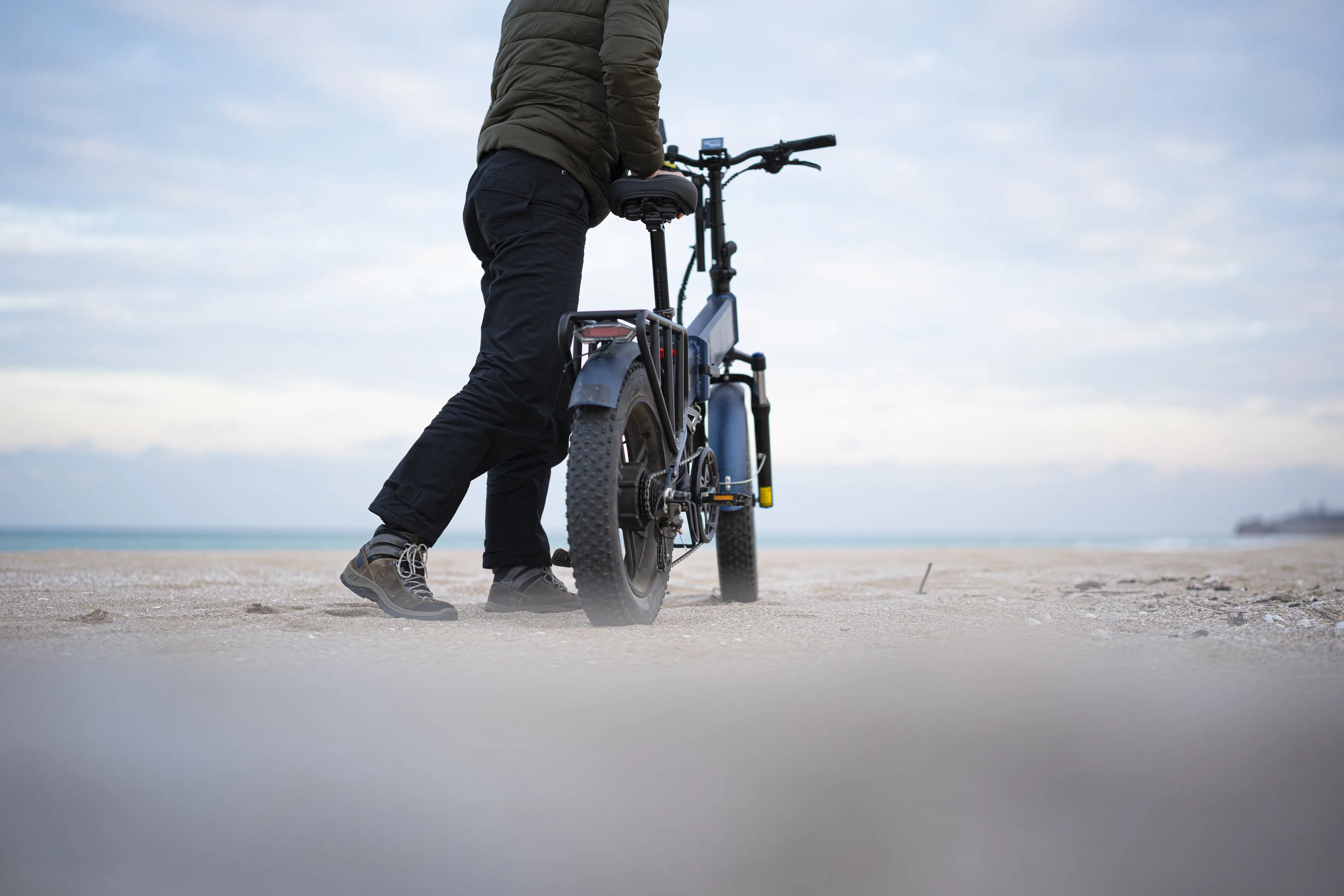
E-bikes are everywhere these days. You see them zipping down Santa Monica Boulevard or cruising through Newport Beach. But with more e-bikes on the road comes more accidents.
Let's talk about what's really happening with e-bike crashes on sidewalks and bike lanes. And why it matters if you live in Los Angeles or Orange County.
Where E-Bike Accidents Actually Happen
Most people think bike lanes are the safest place for e-bikes. That's not always true. Accidents happen in both bike lanes and on sidewalks for different reasons.
On sidewalks, e-bikes often hit pedestrians. Think about it - you're walking out of a coffee shop in Manhattan Beach. An e-bike comes around the corner at 20 mph. There's barely time to react.
In bike lanes, the crashes are different. Cars turning right often don't see e-bikes coming. Or e-bikes collide with regular bicycles because of speed differences. The mixing of traditional cyclists with electric-powered riders creates unique challenges that city planners are still figuring out.
Orange County has seen a 40% increase in e-bike accidents over the past two years. Los Angeles County numbers are similar. Most happen during rush hour when everyone's trying to get somewhere fast.
Why E-Bike Accidents Are Different
Regular bikes usually go 10-15 mph. E-bikes can hit 28 mph without much effort. That speed difference changes everything.
When an e-bike hits a pedestrian at 25 mph, the injuries are serious. We're talking broken bones, head trauma, and worse. The weight of e-bikes makes it even more dangerous - they're often 50+ pounds compared to 20-30 for regular bikes.
In Huntington Beach, a pedestrian was seriously injured when an e-bike rider lost control on the sidewalk. The rider was going too fast and couldn't stop in time. This kind of accident is becoming common. The victim required extensive medical treatment and faced mounting bills, highlighting the financial impact these crashes can have on everyone involved.
Battery placement also affects crash dynamics. Most e-bikes have heavy battery packs mounted low on the frame, which changes the center of gravity and can make accidents more unpredictable than traditional bicycle crashes.
Legal Rules Around E-Bikes
California law treats e-bikes differently depending on their class. Class 1 and 2 e-bikes can use bike lanes. Class 3 e-bikes (the fast ones) have more restrictions.
Here's what's confusing - sidewalk rules change by city. In Los Angeles, adults can't ride any bikes on sidewalks in business districts. But enforcement is inconsistent.
Orange County cities have their own rules too. Some allow e-bikes on sidewalks. Others don't. Most riders don't know the local laws where they're riding. This patchwork of regulations creates confusion for riders who travel between different municipalities during their commute or recreational rides.
When accidents happen, these rules matter for determining fault. If you're riding illegally when you crash, that affects your case. Understanding local ordinances becomes crucial for both liability and insurance coverage.
Common Accident Scenarios
Let's look at real situations where e-bike accidents happen:
The Intersection Crash: An e-bike is in the bike lane on Venice Boulevard. A car turns right without looking. The e-bike's speed means the driver didn't see them coming.
The Sidewalk Collision: A pedestrian steps out of a store in Costa Mesa. An e-bike on the sidewalk can't brake fast enough. Both end up injured.
The Multi-Bike Crash: Regular cyclists and e-bikes share the same lane. Speed differences cause rear-end collisions or dangerous passing situations.
The Door Prize: Cars parked next to bike lanes open doors. E-bikes going 25 mph have less time to avoid them than regular bikes.
The School Zone Incident: Parents dropping off kids often don't expect fast-moving e-bikes in areas where they're watching for much slower traditional bicycles. These scenarios are particularly dangerous because children's movements are unpredictable.
Who's Responsible When Accidents Happen
Fault in e-bike accidents depends on the specific situation. But some patterns are clear.
If an e-bike hits a pedestrian on the sidewalk, the rider is usually at fault. Especially if local laws prohibit sidewalk riding. However, getting a fresh legal perspective can reveal factors you might not have considered initially.
When cars hit e-bikes in bike lanes, the driver is often responsible. But if the e-bike was speeding or riding recklessly, fault might be shared.
Insurance coverage gets complicated. Many people don't realize their homeowner's or renter's insurance might not cover e-bike accidents. Auto insurance usually doesn't apply either. Some insurance companies are beginning to offer specific e-bike coverage, but it's not yet standard across the industry.
Comparative negligence rules in California mean that even if you're partially at fault, you might still recover damages. This makes proper legal evaluation crucial for understanding your options after an accident.
Staying Safe on E-Bikes
Prevention is better than dealing with accidents after they happen. Here are practical safety tips:
Keep your speed reasonable. Just because your e-bike can go 28 mph doesn't mean it should on crowded paths.
Learn local laws before riding. What's legal in Santa Monica might not be in Irvine.
Wear bright clothing and use lights. E-bikes are quieter than motorcycles but faster than regular bikes. People don't always notice you coming.
Give pedestrians plenty of space. Use your bell or voice to announce yourself politely.
Watch for car doors opening. This happens constantly in areas like West Hollywood where street parking is common.
Consider upgrading your braking system. Many standard e-bike brakes aren't designed for the higher speeds and weights involved. Hydraulic disc brakes offer better stopping power than mechanical alternatives.
Regular maintenance matters more with e-bikes. The additional weight and speed put extra stress on components like tires, chains, and brake pads, requiring more frequent inspection and replacement.
What To Do After an E-Bike Accident
If you're in an e-bike accident, treat it seriously. Get medical attention even if you feel okay. Adrenaline masks injuries.
Document everything. Take photos of the scene, your bike, and any injuries. Get contact information from witnesses.
Report the accident to police if there are serious injuries or significant property damage. This creates an official record.
Don't admit fault at the scene. Let insurance companies and legal professionals sort out responsibility later. If you're uncertain about how your case is being handled, seeking a second opinion can provide valuable insight into your legal options.
Contact your insurance company promptly. They need to know about the accident even if coverage is unclear.
Keep detailed records of all medical treatment and expenses. E-bike accidents can result in both economic and non-economic damages that you may be entitled to recover.
Be aware that some injuries from e-bike accidents don't show symptoms immediately. Concussions, internal injuries, and soft tissue damage can manifest days or even weeks after the initial incident.
The Bottom Line
E-bikes are here to stay in Los Angeles and Orange County. They're convenient and environmentally friendly. But the accident risks are real.
Whether you ride e-bikes, regular bikes, or just walk around town, understanding these risks helps keep everyone safer. The key is respecting the power and speed of e-bikes while sharing our roads and paths responsibly.
As cities continue to adapt their infrastructure and regulations to accommodate this growing mode of transportation, awareness and education remain our best tools for preventing accidents. The technology will keep improving, but human judgment and responsibility will always be the most important safety features.

Talk to a senior attorney directly.