Insurance Issues in E-Bike Accident Cases
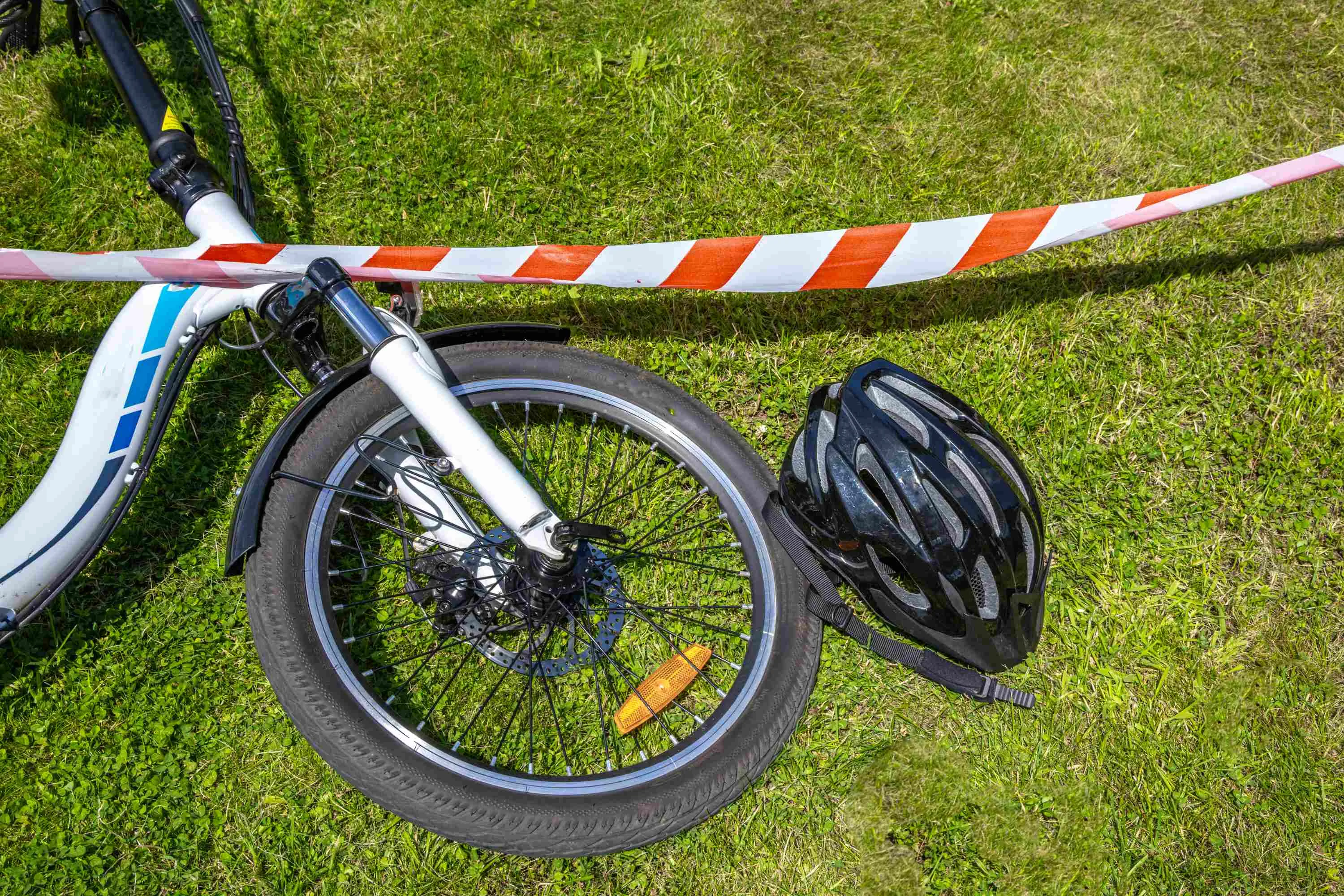
E-bikes are everywhere in Los Angeles and Orange County these days. You see them zipping down bike lanes, parked outside coffee shops, and stacked up at Metro stations. But here's something most riders don't think about until it's too late: insurance coverage after an accident gets really complicated.
Let me explain why e-bike insurance is such a headache. Unlike regular bikes or cars, e-bikes exist in this weird gray area. They're not quite bicycles, but they're not motorcycles either. This creates a mess when insurance companies try to figure out who pays what after an accident.
The Coverage Gap Problem
Your homeowner's or renter's insurance might cover your regular bike if it gets stolen. But when you're riding an e-bike and get hit by a car? That's where things get tricky. Many standard policies have exclusions for "motor vehicles." Since e-bikes have motors, some insurers argue they don't have to cover accidents involving them.
Auto insurance presents another puzzle. If a car hits you while you're on your e-bike, the driver's liability insurance should cover your injuries. But what if you're partially at fault? California's comparative negligence laws mean your compensation gets reduced based on your percentage of fault. Some insurance companies love to argue that e-bike riders are more at fault because they can go faster than regular cyclists.
The reality is that insurance adjusters often lack proper training on e-bike regulations and capabilities. They make assumptions based on outdated information or personal biases. This knowledge gap frequently works against accident victims who are already dealing with injuries and property damage.
Multiple Insurance Policies Create Conflicts
Here's a real headache: when multiple insurance policies might apply to one accident. Let's say you're riding your e-bike in Irvine and a delivery truck clips you. You could have claims under:
- The truck driver's auto liability insurance
- The delivery company's commercial auto policy
- Your own auto insurance (if you have uninsured/underinsured motorist coverage)
- Your health insurance for medical bills
- Potentially your homeowner's or renter's policy
Each insurer wants someone else to pay first. They'll spend months arguing with each other while you're stuck with medical bills and a damaged e-bike. This finger-pointing game is called "coverage disputes," and it's incredibly frustrating for accident victims.
The coordination of benefits between multiple insurers can drag on for months or even years. Meanwhile, you're facing immediate expenses and may need ongoing medical treatment. Some people give up pursuing their claims because the process becomes so overwhelming. Don't let insurance companies wear you down through delay tactics.
E-Bike Classification Matters
California divides e-bikes into three classes. Class 1 and 2 e-bikes are limited to 20 mph. Class 3 can go up to 28 mph. Insurance companies sometimes treat these differently. A faster Class 3 e-bike might face more exclusions or higher liability assumptions than a slower Class 1.
The speed capability affects fault determinations too. Even if you weren't speeding, insurance adjusters might assume you were going faster than a regular cyclist would. This bias can hurt your claim before you even realize it's happening.
Understanding these classifications becomes crucial when dealing with insurance companies. Keep your e-bike's documentation handy, including manufacturer specifications and any modification records. Insurance adjusters may try to misclassify your bike to reduce their liability exposure.
Commercial vs. Personal Use Complications
Lots of people in LA and Orange County use e-bikes for food delivery or other gig work. If you get hurt while working, your personal auto or homeowner's insurance probably won't cover you. They have exclusions for commercial activities. But the delivery app's insurance might not kick in either, depending on whether you were actively on a delivery or just riding around looking for orders.
This coverage gap leaves many gig workers without adequate protection. Workers' compensation usually doesn't apply since most delivery drivers are classified as independent contractors, not employees.
The "gray periods" in gig work create particular vulnerabilities. You're logged into the app but haven't accepted an order yet. Or you've completed a delivery but are riding to a better pickup area. During these times, you might have minimal or no coverage from the platform's insurance policy.
Property Damage Headaches
E-bikes cost a lot more than regular bicycles. A decent one runs $2,000 to $5,000. High-end models can cost $10,000 or more. After an accident, getting the full replacement value can be challenging.
Auto insurers sometimes try to depreciate e-bikes like cars, even though the technology is evolving rapidly. They might offer you the "actual cash value" based on some outdated formula that doesn't reflect what you actually paid or what replacement would cost.
Battery replacement alone can cost $500 to $1,500. Specialized components may not be readily available, leading to extended repair times. Insurance companies often don't account for these unique aspects of e-bike ownership when calculating settlements.
Medical Payment Coverage Issues
Medical bills pile up fast after an e-bike accident. Emergency room visits, X-rays, CT scans – it adds up quickly. Your health insurance should cover treatment, but they'll want to be reimbursed if another insurer is liable.
This creates a subrogation mess. Your health insurer pays upfront but puts a lien on any settlement you might get. Meanwhile, the at-fault driver's insurance is disputing liability. You're caught in the middle, potentially owing money back to your own health insurer.
Some injuries from e-bike accidents aren't immediately apparent. Concussions, soft tissue damage, and psychological trauma may develop over days or weeks. Understanding the full scope of recoverable damages becomes essential for protecting your long-term interests.
When Insurance Companies Play Hardball
Insurance companies know that e-bike accident victims often don't understand their rights. They may offer quick settlements that sound reasonable but fall far short of covering actual damages. Adjusters might claim that e-bike accidents are "low impact" compared to car crashes, ignoring the vulnerability of riders.
Bad faith insurance practices are unfortunately common in e-bike cases. Insurers may delay investigations, request unnecessary documentation, or simply deny valid claims hoping you'll give up. Getting a second opinion on your case can help you understand whether you're being treated fairly.
Don't be surprised if insurance companies try to shift blame to you for "choosing a dangerous form of transportation." This victim-blaming tactic is designed to reduce their liability and lower settlement amounts.
What You Can Do
First, check your existing insurance policies before you start riding. Ask specifically about e-bike coverage. Don't assume anything is covered.
Consider specialized e-bike insurance. Several companies now offer policies designed specifically for electric bikes. These fill the gaps that traditional policies leave open.
If you use your e-bike for commercial purposes, look into commercial insurance options. The delivery apps offer some coverage, but it's usually minimal.
After an accident, document everything. Take photos, get police reports, and keep all medical records. The more documentation you have, the harder it is for insurers to dispute your claim.
Don't accept the first settlement offer. Insurance companies often lowball initial offers, especially in complex cases involving multiple policies. The adjuster's first offer rarely reflects the full value of your claim.
If you're feeling overwhelmed by insurance company tactics or unsure about the adequacy of their offers, don't hesitate to seek professional help. A second legal opinion can provide clarity about your options and help level the playing field against experienced insurance adjusters.
Keep detailed records of all accident-related expenses, including lost wages, transportation costs for medical appointments, and any modifications needed for your daily activities during recovery. These damages are often overlooked but can add up significantly.
E-bike accidents involve unique insurance challenges that most people never see coming. Understanding these issues beforehand can save you significant headaches later. The insurance landscape is still catching up to the e-bike revolution, leaving riders vulnerable to coverage gaps and unfair claim practices. Being proactive about protection and informed about your rights makes all the difference when the unexpected happens.

Talk to a UCLA-trained attorney directly.