What Parents Should Know About Teen E-Bike Accidents
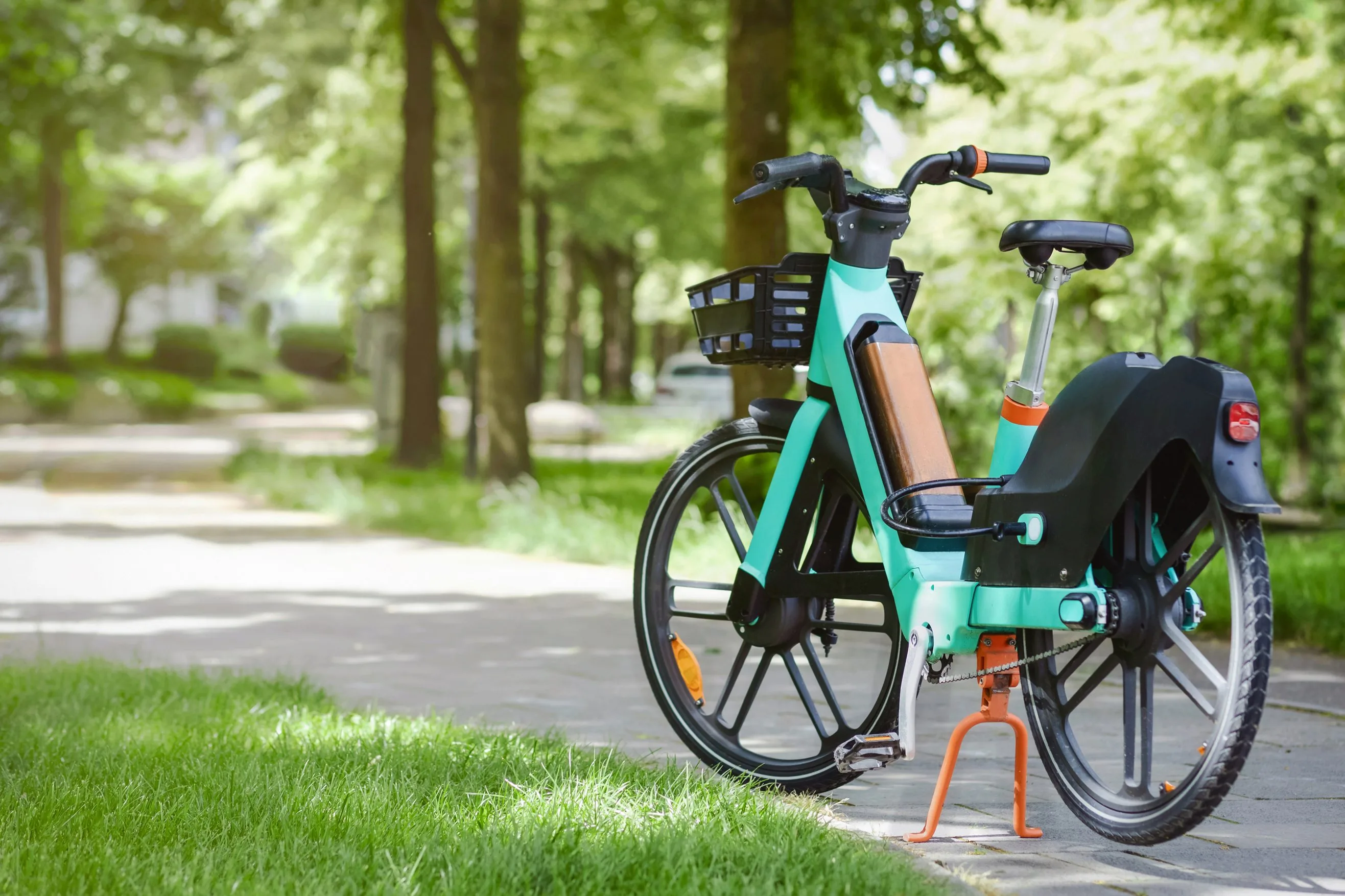
E-bikes have exploded in popularity among teenagers across Los Angeles and Orange County. These electric bicycles offer freedom and fun, but they also present serious safety concerns that many parents don't fully understand.
E-Bikes Are Faster Than You Think
Many parents assume e-bikes are just regular bikes with a little extra help. That's not accurate. Class 2 e-bikes can reach speeds up to 20 mph without pedaling. Class 3 models can hit 28 mph with pedal assistance.
Think about it this way: your teen could be traveling as fast as cars in some neighborhoods. At 25 mph, an e-bike rider covers 37 feet per second. That leaves very little time to react to obstacles or cars.
In busy areas like Santa Monica or Huntington Beach, this speed difference creates dangerous situations. Teen riders often underestimate how quickly they're moving and how much longer it takes to stop. The heavier weight of e-bikes compared to traditional bicycles also affects braking distance significantly.
California's E-Bike Laws for Teens
California has specific rules for young e-bike riders that many families don't know about. Riders under 18 must wear helmets at all times. This applies to all three classes of e-bikes.
Teens under 16 cannot ride Class 3 e-bikes (the fastest ones). However, enforcement of this rule varies significantly between Los Angeles and Orange County communities. Some areas are stricter than others.
E-bike riders must follow the same traffic laws as regular cyclists. They can't ride on sidewalks in most business districts. They need to stop at red lights and stop signs. Many teens don't realize these requirements apply to them, creating liability issues when accidents occur.
Common Accident Scenarios
Teen e-bike accidents typically happen in predictable situations. Understanding these patterns can help you talk to your teen about staying safe.
Intersection accidents are extremely common. A teen approaches an intersection faster than drivers expect. The driver doesn't see them or misjudges their speed. This happens frequently on busy Orange County streets like Beach Boulevard or Harbor Boulevard, where traffic moves quickly and visibility can be limited.
Door accidents occur when parked car drivers open doors without checking for cyclists. The higher speed of e-bikes makes these crashes more severe than traditional bike accidents. These incidents are particularly common in dense urban areas with street parking.
Single-rider crashes happen when teens lose control due to speed, weather conditions, or mechanical issues. Wet surfaces in Los Angeles morning fog can be particularly treacherous. Battery failures can also cause sudden loss of power assistance, catching riders off guard.
Rear-end collisions with vehicles are another serious concern, especially when teens ride in bike lanes adjacent to fast-moving traffic. The speed differential between e-bikes and cars creates dangerous situations during lane changes or when vehicles make right turns.
Injury Severity Differences
E-bike accidents tend to cause more serious injuries than regular bicycle crashes. The increased speed means more force during impact.
Head injuries are a major concern, even with helmets. Brain injuries can have lasting effects on your teen's academic performance and future opportunities. Concussions from e-bike accidents often require extended recovery periods.
Broken bones, especially arms and legs, are common when teens try to break their fall. Road rash injuries tend to be more extensive due to the higher speeds involved. The heavier weight of e-bikes can also cause crushing injuries if the bike lands on the rider.
Some teens suffer internal injuries that aren't immediately obvious. Always seek medical attention after any e-bike accident, even if your teen feels fine initially. Adrenaline can mask serious injuries for hours after an incident.
What to Do After an Accident
If your teen is injured in an e-bike accident, your first priority is getting proper medical care. Don't delay treatment to handle other issues. Call 911 if there are any signs of serious injury.
Document everything you can about the accident scene. Take photos of the e-bike, any vehicles involved, and the location. Get contact information from witnesses if possible. Traffic camera footage may also be available in some areas.
Contact your insurance company to report the incident. Your homeowner's or renter's insurance might provide some coverage, but policies vary significantly. Some auto insurance policies also cover family members injured while cycling.
Keep detailed records of all medical treatments, expenses, and how the injuries affect your teen's daily life. This documentation becomes important if you need to pursue compensation later. School absences and missed activities should also be documented.
If the accident involved another party's negligence, consider getting a second opinion on your accident case to ensure you understand all your legal options before making any decisions about settlement offers.
Understanding Your Legal Options
When serious injuries occur, understanding the difference between various types of compensation becomes crucial. Economic vs. non-economic damages can significantly impact your family's financial recovery, especially when dealing with long-term medical care or educational accommodations your teen may need.
Insurance companies often try to settle quickly with families, but these early offers rarely account for future medical needs or the full impact on your teen's life. The costs of physical therapy, tutoring to catch up on missed school, or specialized medical equipment can add up over months or years.
Prevention Tips That Actually Work
Start with proper safety equipment. A good helmet is essential, but consider additional protection like knee pads and reflective clothing. LED lights for both front and rear improve visibility dramatically during dawn and dusk riding.
Practice riding in safe areas before letting your teen venture onto busy Los Angeles or Orange County streets. Empty parking lots work well for building confidence and skills. Focus on emergency braking and obstacle avoidance techniques.
Establish clear rules about where and when your teen can ride. Night riding significantly increases accident risk, especially on poorly lit residential streets. Consider GPS tracking apps that let you monitor your teen's location and speed.
Regular maintenance prevents mechanical failures that can cause accidents. Check brakes, tires, and battery levels frequently. Teach your teen to inspect their e-bike before each ride, looking for loose components or signs of wear.
Consider formal cycling safety courses available through some community centers and bike shops. These programs teach defensive riding techniques specifically designed for e-bike speeds and capabilities.
When to Seek Legal Help
If your teen is seriously injured due to another person's negligence, you may need legal assistance. Insurance companies often minimize claims involving minors or e-bike accidents. They may argue that your teen was partially at fault or that e-bikes are inherently dangerous.
Complex cases involving multiple vehicles or disputed fault benefit from professional legal guidance. The unique aspects of e-bike law require specific expertise. Understanding how traditional bicycle laws apply to electric-powered vehicles can be complicated.
Don't wait too long to explore your options. California has time limits for filing injury claims that vary depending on the specific circumstances of your case. Evidence can disappear, witnesses can become harder to locate, and memories fade over time.
If you're unsure about your current legal representation or haven't consulted with an attorney yet, clients often benefit from a second legal opinion to ensure they're getting the best possible guidance for their specific situation.
Understanding these risks helps you make informed decisions about your teen's e-bike use while keeping them safe on the roads. The key is balancing your teen's desire for independence with the very real safety concerns these powerful machines present.

Talk to a senior attorney directly.